

Thailand made global headlines by becoming the first Asian country to legalize cannabis. But it's back in the spotlight for a different reason now: the government has announced it's pulling back on recreational cannabis use, shifting the framework to a strictly medical one.
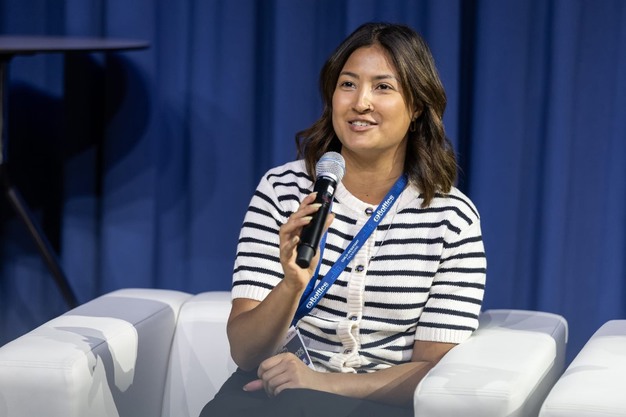
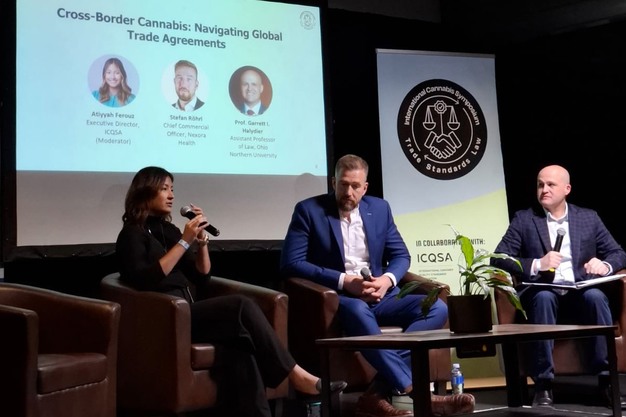
While the situation may have been depicted internationally as if this was the end of Thai cannabis and that recriminalization was back, the state of things is actually the complete opposite. "I honestly think this is one of the most positive things that could happen to the Thai cannabis industry," says Atiyyah Ferouz, founder of AgCann Consultancy, CannVitro, and the International Cannabis Quality Standards Association. "Everyone's treating it like the sky is falling, but what's really happening is that Thailand is finally putting in place the regulatory structure that was missing from the start."
 © Atiyyah Ferouz
Atiyyah isn't speaking from the sidelines. Her consultancy has a Thai division and works hands-on with cultivators navigating the local regulatory space. "We're getting tons of calls," she says. "This shift means cultivators now need to comply with standards like Thai GACP. If they want to compete internationally, they need international GACP too. I believe this is a great step for Thai producers to align with global standards."
The wild west phase is over
When Thailand first legalized cannabis, there wasn't much in the way of infrastructure. No licensing system for cultivation, minimal enforcement, and a loosely defined sales framework. "I moved to Thailand about a year after legalization," she recalls. "I wanted to see firsthand what working in a cannabis industry with minimal regulatory guidance was like. I don't think the government at the time fully understood the scale that the Thai cannabis space would grow to."
Dispensaries exploded across the country, many with murky licensing status, and cannabis was suddenly available to tourists and locals with little oversight. "It was never meant to stay that way," she says. "Everybody in the industry knew the dispensary side of things would be the first to change."
 © Atiyyah Ferouz
Under the new rules, dispensaries will have to operate under a medical model. That means hiring a Thai traditional medicine doctor to issue prescriptions (likely capped at 30 grams), and tracking sales more closely. Whether this will allow for telemedicine or digital prescriptions is still unclear. "There's not a ton of detail yet," she admits. "But the idea is clear: shift away from unregulated recreational sales and increase control and monitoring of the cannabis supply chain."
What about growers?
Despite the headlines, cultivation isn't under attack, if anything, it's finally getting structure. "Thailand never had a formal cultivation licensing system, which is very abnormal if you think about it," Atiyyah says. "Every other country that allows cannabis cultivation has some form of licensing. In Thailand, you just… grow."
That meant no zoning enforcement, no quality control, and no real way to differentiate legal production from legacy or illicit operations. "You'd have three-story houses growing cannabis in residential neighborhoods," she says. "That's not a sustainable model."
The introduction of stricter export regulations is another key shift. "There's already an export licensing system, but it's going to be enforced more tightly. You'll now need a one-time-use export notification for each shipment. It's a few extra steps, but it brings better traceability, which is huge for quality and market legitimacy."
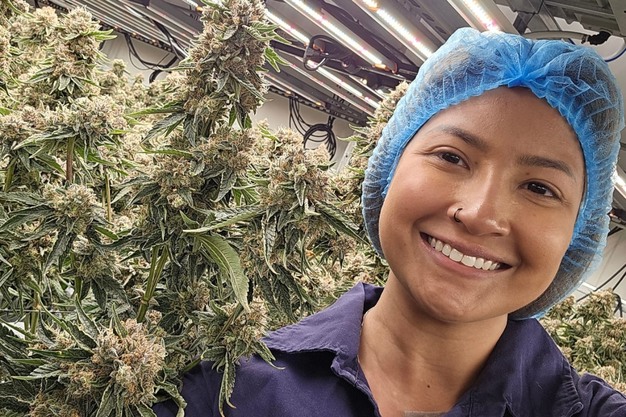
In the short term, there's going to be pressure on growers to meet compliance standards. But Atiyyah is optimistic: "We already work with many cultivators who are looking to get GACP-certified. The ones who aren't should be reaching out to consultants now. It's doable, but not overnight. GACP preparation and certification can take several months. There is also going to be a bottleneck with obtaining a Thai GACP certification, while they train and onboard new inspectors. Working with groups like ours to obtain a compliance certification to WHO and EMEA GACP is one option that many growers are opting for." She expects the government to extend implementation deadlines to give the industry time to catch up.
 © Atiyyah Ferouz
A step forward, not back
Critics argue that this reset is a step backward. Atiyyah disagrees. "This isn't how I would have advised doing rolling out these changes," she admits. "But it's not the end of Thai cannabis. It's the next stage. They want to clean up the illicit market, bring in traceability, and raise standards. That's essential for long-term growth and the ability to export their product into more markets."
While some dispensaries, especially those built purely on the recreational model, will inevitably shut down, the ones that adapt may thrive under a more stable, medically oriented system. "It was a milestone that Thailand legalized cannabis at all. No other country in the world has legalized cannabis with so much openness and allowed the industry to operate without a high degree of control. That will never happen again," she says. "It made history. But this next step, bringing it in line with international expectations, is how you ensure it has a future."