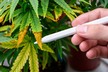

Medical cannabis can be a life saver for children and adults with epilepsy. It helps alleviate cancer pain and it's been shown to help certain people with PTSD. But not all cannabis plants have the same potency of medically active ingredients such as THC and CBD. And a new study has shown that even though there are measures in place to estimate potencies and doses in actual practice the labels are wildly inaccurate.
Researchers weigh in and report that nearly half of cannabis flower products are inaccurately labeled when it comes to potency, with most showing they contain more THC than they really do. Meanwhile, labels on cannabis concentrates tend to be accurate, with 96% shown to match what's inside.
That's the takeaway from a new analysis of products sold at dispensaries across Colorado—the first state to legalize recreational marijuana. The study, published this month in the journal Scientific Reports, is the first comprehensive label audit of legal market cannabis to date.
"Cannabis use has complex and wide-ranging effects, and we are working hard to better understand them," said senior author Cinnamon Bidwell, associate professor of psychology and neuroscience at CU Boulder. "While that research plays out, we should, at the very least, be providing accurate information about the amount of THC in these products."
Read more at Green Prophet