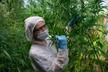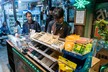

Wisconsin is a bit of island state, because it hasn't made the leap to make medical cannabis legal. But that hasn't stopped several Wisconsin indigenous tribes using their own governance through tribal sovereignty to create dispensaries.
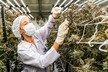
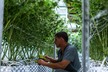
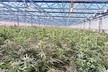
Now state laws in Wisconsin do permit low-THC, high cannabidiol products. However, that's not the same as a comprehensive medical program that other states like Minnesota and Michigan have created. The Lac Courte Oreilles Ojibwe University's farm has grown hemp for the past few years. This coming fall semester, the college will offer a natural science course about the plant's medicinal and therapeutic research. Along with explaining it's long controversial history and legality.
The first time medical cannabis was introduced in the Wisconsin legislature was back in the 1999-2000 session. Fast forward 25 years later, and there still hasn't been much progress made with legalization. Jeromy Cowell, the farm director of the Lac Courte Oreilles Ojibwe University. He says they are working closely with the researchers at the university of Wisconsin-Madison. Eventually, the hemp plants will have the cannabidiol oil extracted, containing none of the THC psychoactive effects, and use for medical purposes.
"Right now, the farm is just solely focused on the research application. Due to current permitting and within the [USDA] grant's parameters," Cowell said. "But working with the LCOU Conservation Department with any additional permitting, we would expand into the personal use hemp plants."
Read more at WDIO