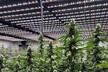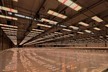

Minnesota's newly licensed cannabis cultivators are moving quickly from paperwork to production, with the first facilities now beginning to take shape. One of the biggest early decisions concerns cultivation lighting, a choice that carries implications for installation timelines, energy costs, product consistency, and access to state rebate programs.
Lighting remains one of the most significant capital expenses for cannabis operators. Depending on facility size, upfront costs can approach $700,000, but utilities such as Xcel Energy, Minnesota Power, and Otter Tail Power Company offer rebate programs to offset part of that investment. Efficiency-based incentives can cover a substantial share of the expense, though industry consultants say many commercial growers don't apply, leaving tens of thousands of dollars on the table.
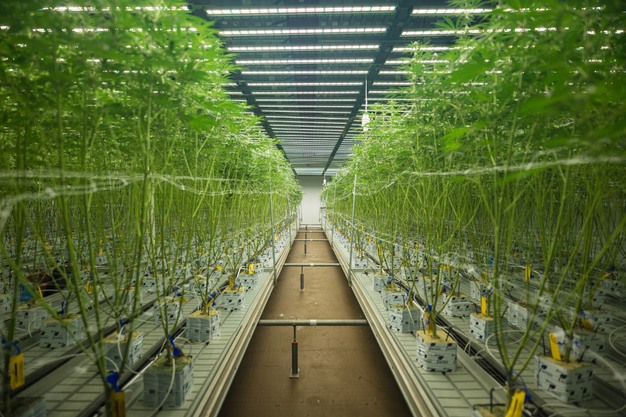 © TSRgrow
According to TSRgrow, which has worked with cultivators across the U.S. for over a decade, the rebate opportunity is often underestimated. "We've seen operators reduce their lighting investment significantly by aligning system design with rebate requirements," the company explains. "Rebates also create room for higher-efficiency infrastructure that lowers operating costs long-term."
More than just lights
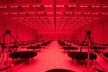
Minnesota growers face practical considerations in selecting systems. Lighting strategies influence HVACD load, fertigation integration, and the scalability of facility design. Spectrum, intensity, and timing also play key roles across growth stages: cooler, lower-intensity lighting typically suits vegetative phases, while warmer, more powerful spectrums drive flowering. Systems that allow growers to adjust these parameters dynamically are increasingly seen as a way to improve cannabinoid and terpene expression. "Cannabis cultivation demands flexibility," says TSRgrow. "Being able to adapt spectrum and intensity by zone gives cultivators better control over both yield and quality."
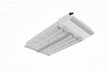
The company has positioned its TOTALgrow Solution around this approach, combining LED fixtures with centralized power and remote management. TSRgrow describes its platform as a way to simplify installation, free up canopy space, and provide real-time monitoring through a mix of cloud-based and localized data tools. "It's about more than fixtures. You need integrated control of environment, power, and data if you want consistent results."
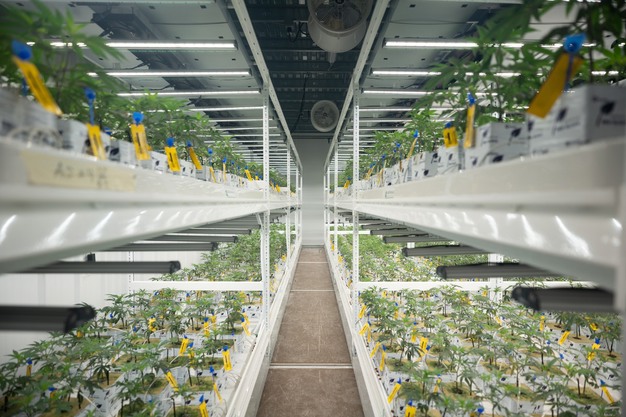 © TSRgrow
For Minnesota's new entrants, time to market is a central concern. Rebates can help offset high upfront costs, while strategic lighting choices can shorten cycles and stabilize production. Industry players suggest that cultivators weigh both the financial incentives available and the longer-term efficiency of their systems as they make one of their earliest infrastructure decisions.
For more information:
TSRgrow
[email protected]
www.tsrgrow.com