
Lighting is the backbone of your grow operation. Among the most critical decisions cultivators face is choosing between LED (Light Emitting Diode) and HPS (High-Pressure Sodium) grow lights. Both technologies have long-standing reputations in the industry, but with evolving grow strategies and energy demands, one option is increasingly emerging as the better long-term investment.
So which system gives cultivators the most control, efficiency, and yield? Let's break down the differences and explore why many professionals are making the switch to LEDs.
High-Pressure Sodium (HPS) Lights
HPS lights have been a staple in cannabis cultivation for decades. They operate by exciting a mixture of gases (mostly sodium) in a pressurized tube, which emits a powerful, orange-yellow light. Known for their high-intensity output, HPS systems are especially valued during the flowering stage, when plants need a strong light source to support robust bud development.
However, HPS fixtures also generate a lot of heat and consume significant energy, which can lead to costly cooling requirements and higher utility bills.
Light Emitting Diode (LED) Lights
LEDs are solid-state lighting systems that pass electrical currents through semiconductor materials, producing light efficiently and with far less heat. LEDs can be custom-engineered to produce specific light spectra, making them incredibly versatile for every stage of plant growth.
While early LED grow lights had limitations in output and reliability, today's LED fixtures deliver full-spectrum, high-intensity performance that rivals or exceeds traditional HPS systems.
 © FOHSE
Key comparison factors for growers
Energy efficiency. One of the biggest advantages of LED technology is energy efficiency. LEDs convert a higher percentage of electricity into usable light (Photosynthetically Active Radiation or PAR) compared to HPS systems, which waste a significant amount of energy as heat.
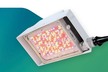
LEDs: Today's top LED fixtures, like the FOHSE Cobra Pro, reach up to 3.2 µmol/J, with next-generation ag versions pushing as high as 3.5 µmol/J.
HPS: Modern HPS lamps typically operate in the 1.9–2.1 µmol/J range.
For cultivators, this means lower operating costs and a smaller environmental footprint, two crucial advantages in competitive and regulated cannabis markets.
Heat output. HPS systems transform only about one-third of their energy into light and nearly two-thirds into heat. This not only increases HVAC loads but also limits how close lights can be placed to the canopy. In contrast, high-efficacy LEDs flip that ratio, about two-thirds light to one-third heat, making it far easier to manage climate while achieving better light uniformity across the canopy.
LEDs, on the other hand, run significantly cooler, allowing growers to place lights closer to plants, maintain more consistent canopy temperatures, reduce HVAC costs, and improve overall facility efficiency.
Light spectrum and control. Cannabis plants respond to different wavelengths of light throughout their growth cycle. While HPS bulbs provide a strong spectrum for flowering, they lack blue light, important for vigorous vegetative growth.
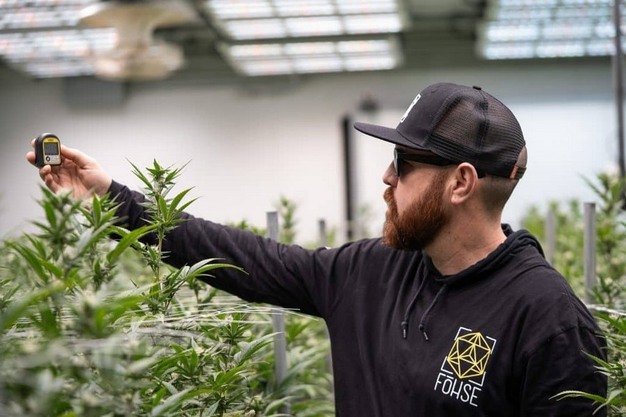
LED systems are customizable across the full light spectrum, allowing growers to dial in specific spectrums for different growth stages. During the seedling and veg stages, more blue light can be utilized, while flowering benefits from more red light. Additionally, the overall spectrum can be tuned based on the specific needs of each cultivar.
Lifespan and maintenance. HPS lamps degrade significantly over time, often requiring bulb replacement every 6 to 12 months to maintain optimal performance. This leads to higher recurring costs, more labor for maintenance, and disruption in grow cycles. In contrast, high-quality LED fixtures can maintain over 90% light output for 50,000 hours or more, resulting in years of consistent performance with minimal maintenance.
Yield and quality
While HPS has long been associated with strong yields, modern LED systems are proven to match or exceed those results, when paired with the right growing techniques.
In fact, studies and real-world data show that LEDs often produce higher cannabinoid levels, terpene profiles, and more consistent yields than HPS systems. Better light penetration, dynamic spectrum recipes, and canopy control translate to healthier plants, higher cannabinoid and terpene expression, and superior product quality.
Return on Investment (ROI)
The initial cost of LED systems is often higher than that of HPS, which can make some growers hesitate. However, focusing solely on upfront costs ignores the bigger picture of return on investment (ROI) that LEDs offer. The advantages of LEDs in terms of ROI include lower monthly energy bills, reduced HVAC costs, less frequent maintenance, and a longer lifespan. Additionally, LEDs can lead to higher yields and improved product quality, while also ensuring greater compliance with sustainability standards.
Many cultivators find that LED systems pay for themselves within one or two grow cycles, especially when combined with utility rebates and energy-efficiency incentives available in many states.
Environmental conditions
As the cannabis industry expands, its energy consumption and carbon footprint also increase. LEDs are essential in building a more sustainable cultivation model. The key sustainability benefits of LEDs include reduced energy use per gram of flower produced and a lower cooling demand. Additionally, LEDs offer a longer product lifespan, which results in less waste, and they contain no hazardous materials, such as the mercury found in HPS lamps.
HPS lights had their moment, and still serve a role in certain setups, but the future of cannabis cultivation is clearly LED.
With higher efficiency, custom spectrum control, longer lifespan, and better environmental performance, LED lighting offers professional growers the tools they need to compete and thrive in a changing industry.
Whether you're running a boutique grow or a multi-acre indoor facility, switching to a high-performance LED solution is more than an upgrade. It's a strategy for long-term success.
For more information:
Fohse
+1-888-FOHSE-77
fohse.com