
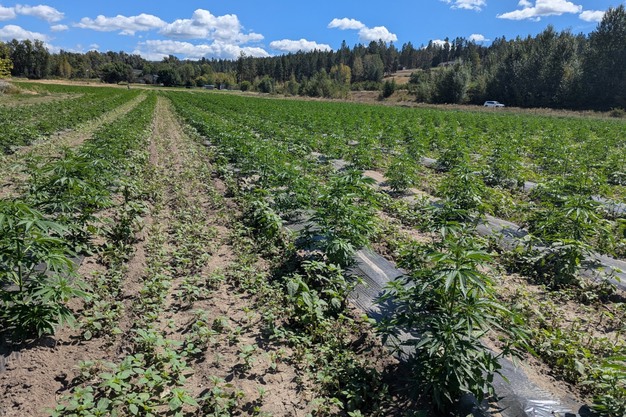
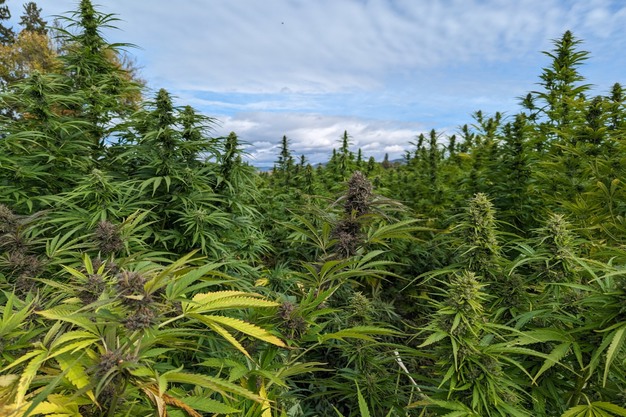
When it comes to cannabis cultivation in Canada, no region has quite the same natural advantage as British Columbia's Okanagan Valley. With over 2,000 hours of sunshine a year, long summers, and a semi-arid climate, the Okanagan has quietly positioned itself as one of the most suitable regions in North America for outdoor and greenhouse cannabis production.
"It's really a grower's dream," says Deron Caplan from Sostanza, a consultancy of horticulturalists and agronomists who have spent most of their careers designing and running cannabis cultivation operations around the world. "It's hot, it's dry, the soil is good, and there's little cloud cover in the summer. Those conditions mean you can grow big, fast plants while avoiding a lot of the disease pressure that plagues other regions. Powdery mildew, for example, is far less of a concern here."
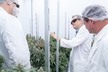
 © Sostanza
Semi-arid climate
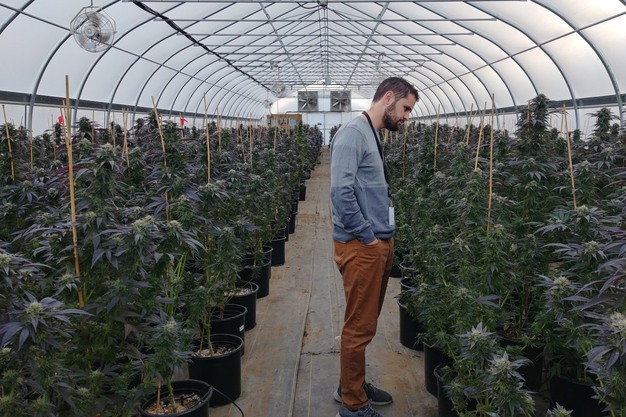
Unlike Ontario or the East Coast, where humidity demands heavy HVAC systems in greenhouses, the Okanagan allows for a far lighter touch. "Because the outdoor air is dry, you can cool greenhouses using pad and fans, misting, or evaporative systems," Deron explains. "That means you can take a mid-tech approach with a lot control of the environment. To put it differently, a grower can achieve high-quality production while keeping operating costs low."
The region's climate also lends itself to precision practices usually reserved for indoor production. "With so little rainfall, growers can realll control irrigation. It allows for "outdoor crop steering", deciding how much water to give and when, rather than being at the mercy of the weather."
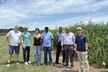
 © Sostanza
Starting with climate analysis
Even with such favorable conditions, Deron takes care to explain that success in the Okanagan, or anywhere else for that matter, depends on tailoring the facility to the local environment. "You always start with a climate analysis. Just because you've run a greenhouse in one climate doesn't mean you can copy-paste that design elsewhere. Every project has to begin with understanding solar gain, cooling needs, blackout requirements."
In practical terms, that means factoring in the Okanagan's hot summers and cold winters. "If you want year-round production, you need to be able to heat your greenhouse in winter, but also balance that against blackout curtains and cooling in summer."
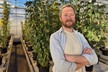
 © Sostanza
A culture built around agriculture and cannabis
It's not only the climate, as the Okanagan benefits from deep-rooted expertise. "This has been a cannabis region long before legalization," Deron notes. "There's a culture here, similar to Northern California, where people have been perfecting cannabis cultivation in the gray market for years. When legalization came, that knowledge base was already in place."
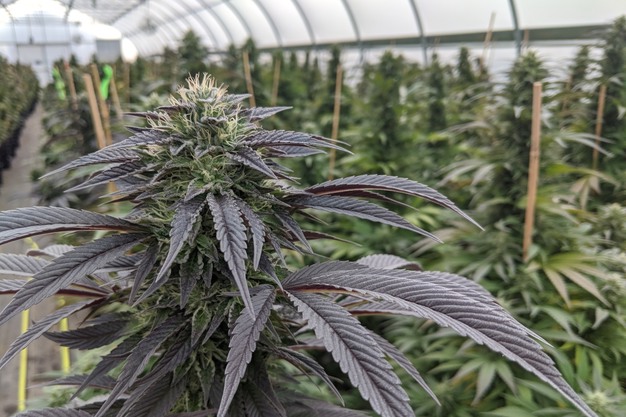
It doesn't hurt that the Okanagan is also internationally renowned for wine grapes, apples, pears, and cherries. "The agricultural infrastructure was already there, with experienced growers, established supply chains, and a regional understanding of how to work with high-value crops."
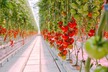
 © Sostanza
A research hub
That legacy is now blending with formal research. The University of British Columbia Okanagan has established a cannabis research greenhouse, but there are also private research facilities, which all together have been testing horticultural inputs under controlled conditions. "It's becoming a hub for cannabis R&D in Canada," Deron says, pointing also to the role of the University of Guelph as a national center for horticultural research.
Setting expectations
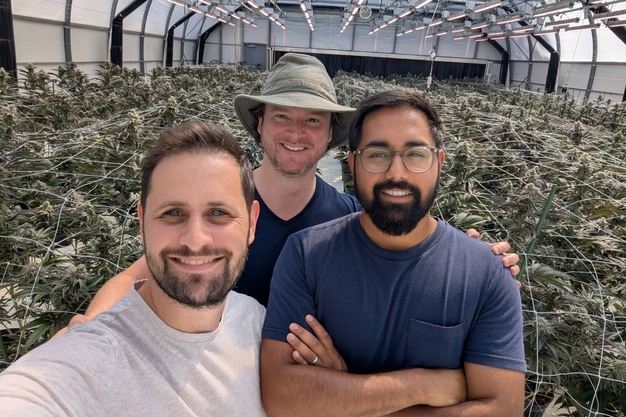
After working on a few project in the Okanagan region, Deron has learned a unique lesson: the climate offers a unique opportunity, but only if you approach it with the right strategy. "We always set expectations with our growers," Deron says. "If you're aiming for low-cost, mid-quality flower, you don't need much environmental control. But if you want indoor-quality production out of a greenhouse, especially for export markets, you need to invest in high-tech systems. The Okanagan climate gives you a leg up, but you still need to design your facility to match your goals."
 © Sostanza
The Okanagan might be Canada's best natural environment for cannabis cultivation. But as always, nature provides the canvas, not the finished work.
For more information:
Sostanza Global
www.sostanzaglobal.com