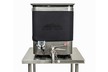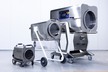


When New Mexico's cannabis market opened to adult-use, hundreds of new operators rushed in, prices dropped, competition spiked, and many cultivators scrambled to keep up. For High Desert Relief, one of the state's longest-standing cannabis companies, success didn't come from cutting corners, it came from scaling smarter. At the center of that strategy is also carefully planned post-harvest processes. An integral part of that is Mobius' advanced solutions, like the M108S Trimmer, which have optimized High Desert Relief processes by reducing labor costs, increasing yields while maintaining exceptional product quality.
 © High Desert Relief
A tailored approach to cultivation and harvesting
When High Desert Relief started in 2010, New Mexico's medical cannabis program was still in its infancy. The company's founders were tending just 100 plants on a horse farm, the maximum allowed at the time. By 2014, the farm had expanded to 1,500 plants grown in Dutch buckets with hydroponics.
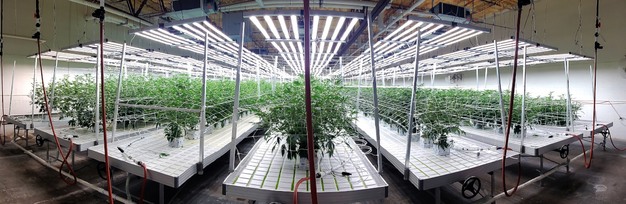
Today, the operation looks very different. High Desert Relief runs a fully integrated business: indoor grows, a hybrid greenhouse for organic production, a manufacturing facility producing edibles and extracts, and six dispensaries across the state. "We've always wanted unique strains, something that fits our specific grow style and stands out on the shelf," Daniel says. The company currently maintains a catalog of around 30 strains, including several exclusives bred locally from their own genetics.
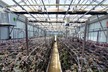
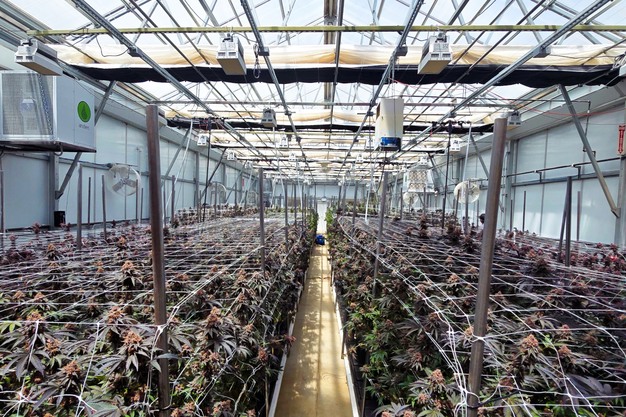
Considering New Mexico's desert climate, High Desert Relief opted for a hybrid greenhouse, allowing them to maintain a fully organic cultivation approach, with an emphasis on prevention and cleanliness. This focus on purity and cleanliness was also carried through to their processing methods.
 © Mobius
Efficiency that protects quality
Director of Cultivation at High Desert Relief, Daniel Landavazo, knows the bottleneck in large-scale cannabis isn't just cultivation, it's harvest time. "If we wanted to hand trim, we'd need an army of trimmers for the thousand pounds of wet buds we harvest every week," he explains. Instead, the company relies on Mobius trimmers to protect quality while keeping throughput high.
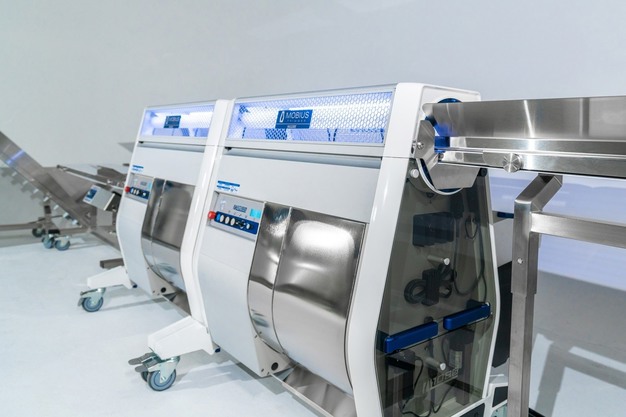
High Desert Relief runs three Mobius trimmers, replacing six units from a different manufacturer. The difference, Landavazo says, is in both consistency and control. "We've done both hand and machine. Honestly, the less you touch the bud, the better. Hand trimming knocks off more trichomes than the machines".
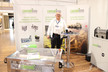
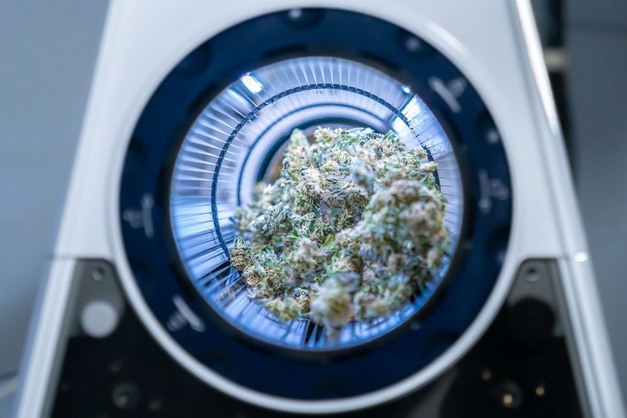
Every harvest follows a tight choreography: buds are cut, bucked, and run through the Mobius M108S Trimmer within 30 minutes to prevent moisture issues. Each strain has its own set of machine settings, documented by the team and adjusted on the fly. "Certain strains are tricky to trim, but the adjustability is fantastic". Two operators fine-tune the machines strain by strain, dialing in the settings to optimize the process for each cultivar's unique qualities. With adjustable settings for tumbler speed, blade speed, vacuum suction, and tilt angle, the M108S can work on any flower at any moisture content. The trimmed flower then moves onto drying racks in climate-controlled rooms for 7–10 days.
 © Mobius
As a result, the post-harvest trimming workflow for High Desert Relief became a repeatable process that safeguards terpenes, maintains bag appeal, and reduces labor costs without sacrificing quality. For Daniel, what matters most in the end is clean, distinctive flower. "I want it to look good, smell good, and deliver a strong, discernible effect," he says. "Pretty can mean a lot of different things, but the flower has to provide a pleasant experience, and the plant must be easy to grow in our setup. That's the bottom line."
Built for the challenges of today's market
In a state where oversupply has driven down wholesale prices, and retail prices can collapse overnight, efficiency isn't optional. Mobius helps cultivators like High Desert Relief stay competitive by cutting labor needs and standardizing output.
 © High Desert Relief
"When adult-use hit New Mexico, we already had our production facility paid off," Landavazo says. That gave them a cost advantage. "We sell at around $5 a gram in our shops, which is fair for the customer and works for us." With their facility paid off and Mobius equipment at the helm, they are able to keep production lean without compromising quality.
The automation suite also minimizes hidden costs associated with manual processing, such as personal protective equipment and staff management. By reducing human touchpoints, Mobius equipment lowers the risk of contamination, enhancing product safety and consistency.
For more information:
Mobius [email protected]
mobiustrimmer.com