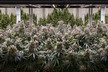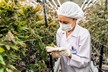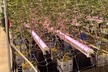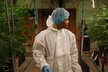


They call themselves Bedwakantunwan, or those who were born of the waters. They are Dakota people and have lived in what is now called Minnesota for thousands of years. Like all Native Americans, their recent history is filled with unrelenting displacement and genocide. This is the Prairie Island Indian Community (PIIC) and their story is one of resilience and regeneration. Now, they're bringing that history and value system to legal cannabis in Minnesota.
The tribe is resilient because they're still living on this land after fighting countless battles with the United States government, and more recently, power companies. Their reservation land was created by the federal government in the 1880s with the Dawes Act. Yet their self governance as a tribe was not established until the 1934 Indian Reorganization Act, a rare moment of liberal policies for Indian country. The liberal policies did not last long, however, and more broken promises followed.
In the 1950s, a hydroelectric dam was built on their land without permission. The dam flooded about 30% of their reservation. In the 1970s, a nuclear power plant was built on the island without consent. It's still active today with drums of radioactive waste within a stone's throw of tribal members' homes. These encroachments hurt the tribe's ability to keep members on the island and provide for themselves. Many rational members decided not to live next to a nuke plant.
Read more at Forbes