

When Thailand decriminalized cannabis in 2022, the regulatory landscape didn't provide much clarity on the limits business could operate in. Just a few years later, things are beginning to clear up, and for companies like Kasta, that clarity is the signal to shift gears toward the global stage.
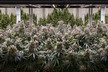
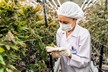
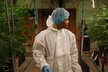
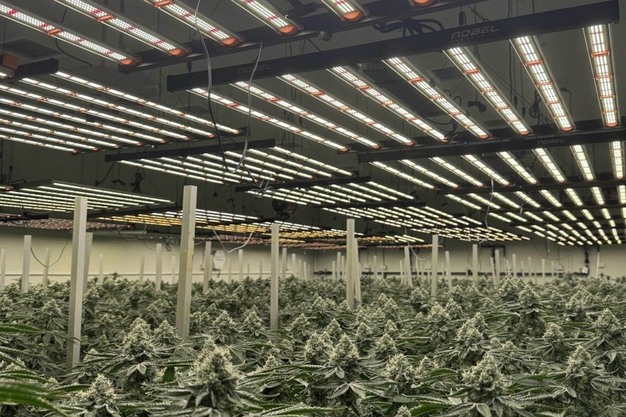
Kasta, an indoor cultivation company based in Thailand, produces around 400 kilograms of medical-grade cannabis annually. From the start, Kasta business development manager Boss Juntasri and his team built their operations to meet international standards, securing certification under Control Union's CUMCS scheme. When Thai regulators later required domestic GACP certification, Kasta was ready. "We adapted right away," Boss explains. "Our facility was designed along GACP guidelines, so the audit was straightforward. For us, it's important to do everything legally and on point."
That readiness matters. The Thai government has begun tightening its framework for cannabis production, requiring proper licensing and transparent COAs. Boss sees the change as positive. "The previous situation wasn't good for the reputation of Thailand," he says. "Now we can track who buys from us, and we're working license-to-license. Regulation helps us prove that Thailand can grow premium cannabis."
 © Kasta
Not only indoors
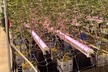
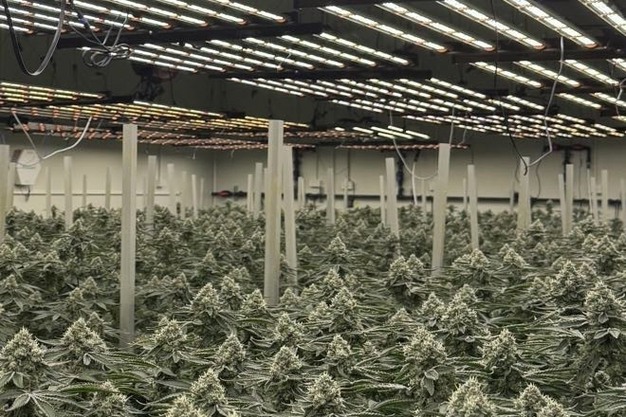
Thailand's tropical climate isn't exactly friendly to medical cannabis standards. "It's too humid," notes Peter Juntasri, Boss' brother. "Indoor cultivation is the answer if you want consistent, clean product." Kasta began with a fully LED-lit indoor facility but is already planning a hybrid move.
After trials with outdoor cultivation, the team noticed the terpene profiles were markedly different under the sun, flavors that LEDs alone couldn't deliver. "Our next phase will be a mixed-light facility in northern Thailand," Boss says. "The sunlight, combined with LEDs and HPS, will give us unique terpene expressions. We plan to kick off this project after we establish our exports, Q3–Q4 next year."
Eyes on the prize
Boss and Kasta are very much aware that the road to profitability is paved with export opportunities. "The point of the industry is about export, the world is our major market," he says. Kasta is already working toward agreements in Germany and plans to pursue EU-GMP certification to boost competitiveness abroad. "We want partners with the same long-term goals so we can continue to grow together."
 © Kasta
A Canadian model
Thailand's domestic market remains in flux, with medical rules tightening and recreational use still in political limbo. Boss sees the future heading toward a Canadian-style system: both medical and recreational, but strictly controlled. "In two to three years, maybe more, I expect stricter standards. That's good for the industry, and I want small producers to grow up with us." For now, Kasta is content to focus on proving the world that Thai cannabis can meet premium standards. "People don't know yet that Thailand can produce top-quality cannabis," Boss says. "But we'll prove it."
For more information:
Kasta BKK
linkedin.com/company/kastabkk/