

At Nothing But Hemp's Northeast Minneapolis facility, mountains of sugar-coated candies sit waiting to be hand packaged. The facility produces about 60,000 hemp-derived THC gummies each day. Before they are sold in state, they must be tested for potency and toxins, then packaged to meet state rules prohibiting "cartoon-like characteristics" or other imagery that markets to kids.
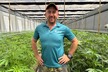
Co-owner Logan Fleischman has state inspectors' numbers saved in his phone. He said he wants to be available to them, as a business behind the products they are regulating. "I'm like, 'You see our product, you've got an issue? Call me,'" he said.
By November next year, essentially all those products will be illegal. That's because Congress's vote to ban most hemp-derived THC by November 2026 will supersede all state rules, even states like Minnesota where regulations already exist.
Federal lawmakers who backed the national ban cited the need to close a loophole in the 2018 farm bill that allowed for the explosion of an unregulated market. After that change, the hemp industry found ways to extract the intoxicating THC molecule from hemp – then put it into gummies, drinks and other products that have effects nearly mirroring marijuana.
Read more at Minn Post