

Yesterday, MJBizCon picked up with a familiar mix of optimism and hard reality. The halls felt busier than yesterday, and conversations across the floor kept circling back to the same themes that are shaping the United States cannabis market right now. Growth is happening, but only for those who can run a tight operation. And now, the show comes to an end with the last day of this year's edition.
 © Priscilla Heeffer | MMJDaily.com
Investment remains cautious. Traditional equity investment has not returned to anything like the pre-2021 period, and many institutional players are still waiting for clear federal direction before making bigger moves. Even so, capital is not completely frozen. Well run operators with clean books, steady EBITDA, and strong compliance are still finding financing through private credit and a handful of lenders. The terms are more conservative than in past cycles, but the money that is moving is going to disciplined companies rather than speculative projects.
 © Priscilla Heeffer | MMJDaily.com
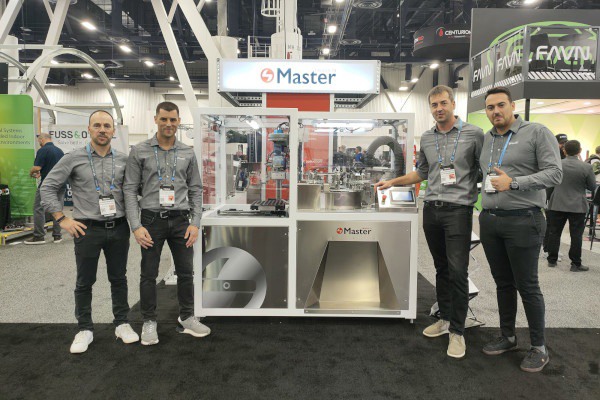
On the cultivation and equipment side, the focus is all about efficiency. Growers are looking closely at technologies that stabilize conditions, reduce labor, or push yield performance. Integrated HVACD systems with stronger dehumidification and better energy efficiency were a popular topic on the floor. Automated fertigation tied to crop steering strategies is becoming more common, and environmental sensors and monitoring tools continue to spread across facilities. Lighting strategies are evolving as well. More cultivators are adding multi layer or inter canopy lighting to even out the canopy and lift grams per square foot. And on the back end, post harvest automation is starting to look less like a luxury and more like a necessity for controlling labor costs.
 © Priscilla Heeffer | MMJDaily.com
As for the broader industry, the mood sits somewhere between cautious and hopeful. There is real enthusiasm around possible federal tax relief and better banking access, and there is a clear growth path as more states adopt adult use. At the same time, mature markets are still battling oversupply, high taxes, and regulatory headaches. Newer markets are expanding but dealing with slow licensing, limited retail footprints, and all the usual early stage bottlenecks. Most operators know there is potential ahead, but none of it will come easy.
 © Priscilla Heeffer | MMJDaily.com
Regulatory improvements remain a major point of discussion. Relief from 280E would be the single most impactful change, followed closely by a more rational tax structure overall. Traditional banking and payment access would lower the cost of capital and reduce risk. More consistent rules for testing, labeling, and packaging would help multistate operators streamline operations. And clearer guidance on hemp derived intoxicating products would finally bring some order to one of the most confusing parts of the sector. Support for energy efficiency would also help cultivators invest in more sustainable practices.