


As reported by the Washington Post, President Donald Trump wants to reclassify cannabis, pushing federal agencies toward moving the plant from Schedule 1 to Schedule 3. According to sources familiar with the discussions, the plan would ease federal restrictions, lower barriers to research, and materially improve operating conditions for legal businesses, without legalizing or decriminalizing cannabis outright. If enacted through an executive order, it would mark the most significant federal shift on cannabis policy in decades.
The news landed fast across the industry, and reactions have been a mix of cautious optimism, frustration, and outright disbelief.
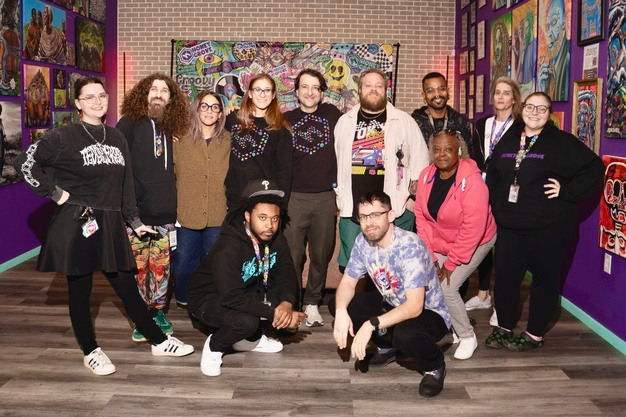 © Rey Fernandez
Reactions from the industry
Jasmine Johnson, CEO of GŪD Essence, described the potential move as both meaningful and long overdue, while stressing that nothing is official yet. "While we're mindful that no official action has been confirmed, any movement toward reclassifying cannabis would represent a meaningful and long overdue shift in federal policy," she said. For Jasmine, the issue is less about reacting and more about preparation. "For operators like GŪD Essence, this isn't about reacting, it's about readiness," she added, noting that her company was built around compliance, research, education, and wellness in anticipation of eventual federal alignment. Johnson pointed to research access, patient access, and reduced barriers for regulated operators as tangible outcomes of rescheduling, calling it "progress toward a more rational cannabis framework." Still, she emphasized that until something is formally announced, the focus remains on operating responsibly within the current rules.
Others were quicker to highlight the contradictions in Washington's approach. Tyler Cartwright, Co Founder, Partner and COO of Higher Standard, said a move from Schedule 1 to Schedule 3 would finally acknowledge scientific reality. "If accurate, this would represent a significant acknowledgment of what the science has shown for decades: cannabinoids have legitimate therapeutic value and don't belong in the same category as heroin," he said.
But Tyler was blunt about the policy disconnect. "Congress just passed legislation that effectively bans most consumable hemp products, and the President signed it," he said. "So we're now looking at a potential future where marijuana gets rescheduled based on its medical benefits, while hemp derived wellness products that have been legal and regulated under the 2018 Farm Bill for 7 years get shut down." In his words, "That's not coherent policy." Cartwright added that Higher Standard has built its business around specific health outcomes, not intoxication, and argued that what the industry needs is "a unified federal framework" instead of "a patchwork of contradictory rules."
Some reactions were far less nuanced. Jim Belushi, founder of Belushi's Farm, summed up his view succinctly: "About time!!!"
 © Belushi's Farm
Tamara Anderson, founder of Culinary & Cannabis, shared the sense of urgency but with visible frustration. "Everyone keeps asking why this, why now? The truth is, we need rescheduling, but we need it done responsibly," she said. Anderson questioned who policymakers are listening to, pointing to mixed messages around hemp enforcement and rescheduling discussions. "It's frustrating to see a plant that grows from the earth wrapped in endless rules while it continues to improve so many lives," she added.
There is also caution beneath the optimism. Jeffrey Miller, CEO of HoneyProjects, said that any loosening of federal policy deserves acknowledgment, but warned that rescheduling could introduce new uncertainty. "Ending the deeply unfair 280E era would be a welcome change," he said, "but we'll be vigilant about the unintended consequences this shift could create if and when it becomes reality."