


Recently, the concept of affordability has been over taking the public discourse, and it was only a matter of time before it was tackled in the cannabis sector as well.
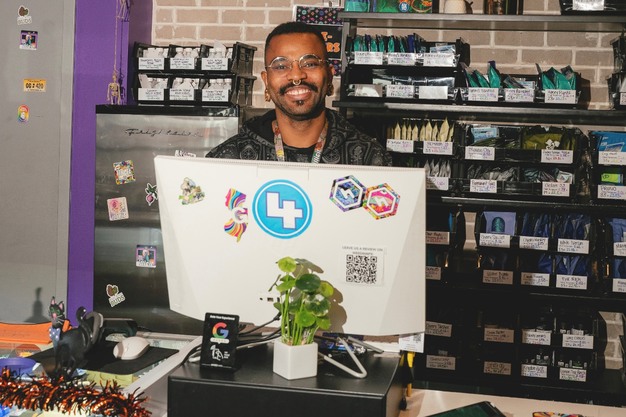
This issue would require changes at the policy level, but before that comes into effect, the ball is in operator's hands. "We see affordability as access," said Dave Valese, founder of HoneyGrove. "If legal cannabis is going to compete with the illicit market, it has to make sense for people's everyday budgets."
 © Rey Fernandez
Competing with the illicit market
According to Dave, that framing reflects a broader shift underway across mature US cannabis states. "Consumers are no longer novelty driven," says he. "They know what they like, they track pricing closely, and they are quick to walk away from products that feel overpriced for what they deliver. Our response has been to design our operations around repeat purchasing rather than one off hype. You cannot promise affordable flower if your production model is built on constant experimentation."
According to Dave, too many brands talk about value while quietly loading costs into branding or secondary features that consumers do not truly care about. "At the end of the day, people want good cannabis at a fair price. They are not asking to subsidize fancy extras."
That perspective is resonating in a market where inflation and broader cost of living pressures are shaping purchasing behavior. Even loyal customers are trading down, seeking dependable options they can buy consistently rather than premium products reserved for occasional use.
 © Rey Fernandez
Expanding access
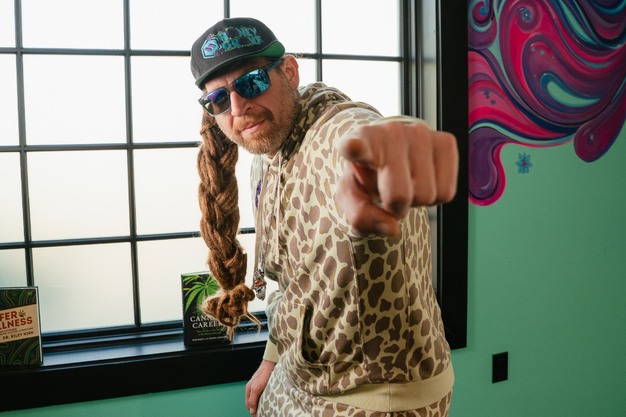
HoneyGrove is positioning itself squarely in that everyday category. The company's messaging emphasizes reliability and honesty over aspirational language, aligning with a consumer base that has grown more skeptical of cannabis marketing. "We do not want to pretend we are something we are not," Dave says. "We are building a brand for people who actually use cannabis as part of their routine."
In other words, affordability becomes a long-term competitive advantage, especially as consolidation continues and smaller operators struggle with rising costs. By structuring the business around sustainable margins rather than peak pricing, the company believes it can weather volatility more effectively than brands reliant on premium positioning. "There is a misconception that affordable means fragile," Dave noted. "In reality, a well-run, value-focused operation can be very resilient."
As regulators and industry groups continue to debate taxation and reform, Dave and HoneyGrove have tackled the issue head on. "While external pressures are real, operational discipline remains one of the few levers operators can fully control," he says. "If we want this industry to grow up, we have to stop treating fair pricing as a weakness."
For more information:
Honey Projects
honey-projects.com