

In much of the US, cannabis is still framed as a regulatory puzzle. For Indigenous nations, it is also a question of sovereignty, jurisdiction, and how economic development intersects with community responsibility. On the eastern end of Long Island, Little Beach Harvest operates as a tribally owned cannabis business of the Shinnecock Indian Nation. The dispensary opened in November 2023, but the work behind it started well before the doors did.
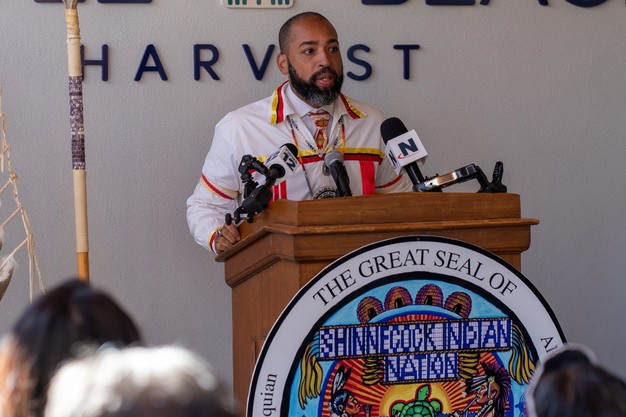
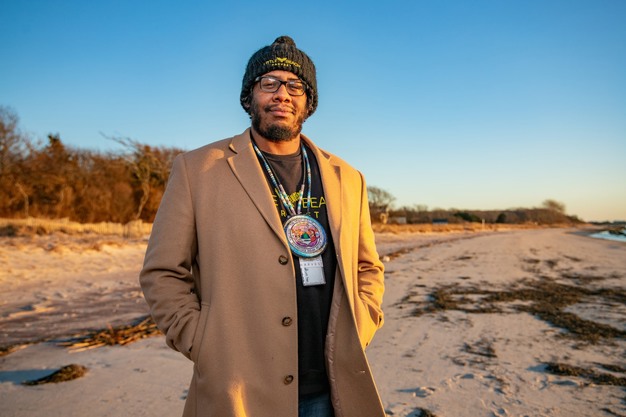
"This is a new business for us, and we're moving right along doing our thing," said Jay Wright from Little Beach Harvest. "There have been ups and downs, but overall it's been very good, working with other brands, the New York market, the OCM, and our community welcoming us as a legal dispensary."
 © Derlis A Chavarria - VisionMakers
Operating on indigenous land
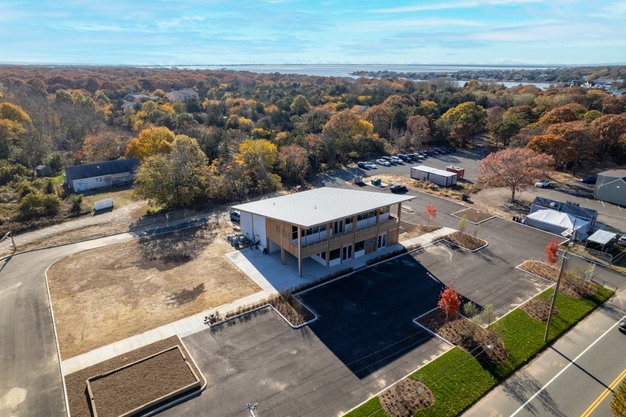
Tribal operations sit at a different intersection of law and commerce than state licensed businesses, with distinct opportunities and constraints. Operating on tribal territory allows Little Beach Harvest to do things most New York dispensaries cannot. The business is recognized as a legal consumption dispensary, with outdoor consumption permitted on site and additional lounge areas in development.
"We can have consumption on site, we can do events, and we're building that out further," Jay said. "We have a patio now, and we're developing it, plus a balcony upstairs that we're curating for spring and summer. Pre rolls, beverages, a bar setup, experiences the OCM market just can't legally do."
 © Derlis A Chavarria - VisionMakers
Pricing and supply
Pricing is another structural difference. Because the dispensary operates on tribal land, products are sold without state cannabis taxes. The tribe instead receives revenue directly through community fees paid by the business. "People might go to a dispensary twenty miles from here, buy a Cookies product for 45, and walk out paying 56," Jay said. "Here it's 45 out the door. Same lab tested product, better price. That's a big reason people shop with us."
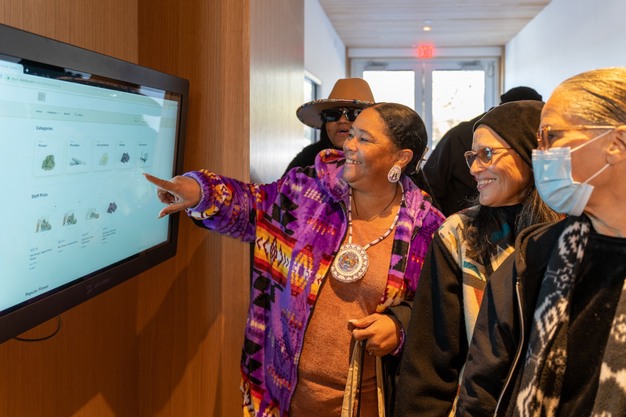
That pricing advantage is paired with strict testing standards. Jay says breaking stigma is as important as competing on price, especially when it comes to Indigenous owned cannabis. Showing that his cannabis is better and cleaner than OCM's cannabis is essential. "We do full panel testing on everything," he said. "We have to break the stigma, not just around cannabis, but Indigenous cannabis. If someone has questions, I pull out the COA book and we look at it together."
 © Derlis A Chavarria - VisionMakers
The dispensary's supply chain also reflects the unique position tribes occupy. Through compacts and intertribal relationships, Little Beach Harvest can work with other Indigenous cultivators and brands, including national collaborations routed through tribal cultivation sites. "Some tribes have cultivation areas big and safe enough for national brands to collaborate with them," Jay said. "Once they do that, we can bring hemp and CBD products from other nations outside of New York in. That's how we're able to carry national brands while still keeping all THC sourced in New York state."
Community go-to place
The dispensary serves a notably older demographic, including customers in their forties through nineties, many of whom are returning to cannabis or trying it for the first time. That is why Jay sees the operation as a community service "We see a lot of people coming in for sleep and pain," he said. "Education is huge for us. This is a small town. You want to make sure everybody gets what they need and feels confident in what they're buying."
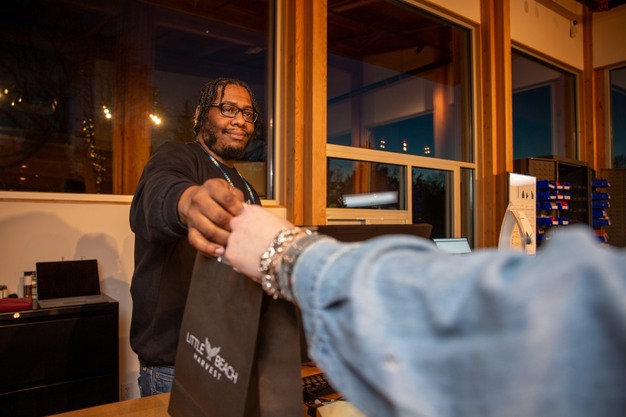
Seasonality also shapes the business. Summer tourism drives heavy traffic, with more than 180 customers per day during peak months, while winters are quieter. Beacuse of that, Jay is laser-focused on experience driven retail. "That's why I want to get heavy on activation," he said. "Patios, consumption lounges, making this the go-to place. Cannabis is a social plant, it has always been about connection."
 © Derlis A Chavarria - VisionMakers
Jay says the isolation that followed COVID made that social aspect more important. "If you smoked, you smoked alone for a long time," he said. "But the plant isn't a loner plant. When people sit, smoke, talk, enjoy the space together, you build community. That's the point." This is a very personal matter for Jay. A longtime consumer and former home grower, he approaches the business with the same mindset he grew up with. "I used to grow and just gift flowers to my friends," he said. "Little Beach Harvest follows the same concept. We do it for the community, we listen to what they ask for and make sure pricing fits their pocket." That philosophy extends to discounts for veterans, healthcare workers, and local service professionals, as well as rotating weekly deals designed to keep cannabis accessible.
Tribally-owned operations as template to inform future regulations
The model has drawn attention from elsewhere in the industry. Jay has been asked to speak about consumption at cannabis business events, where regulators and operators alike are trying to understand how social use might eventually fit into legal markets. "They look at us as a template," he said. "A lot of people want to do this, but they don't have the space, the capital, or the licensing path. We're already here."
 © Derlis A Chavarria - VisionMakers
As Indigenous nations continue to carve out their place in legal cannabis, they are already showing legislators and regular operators what the near-future cannabis market may look like. "This space is busy, it's competitive, and it's still evolving," Jay said. "But cannabis is going to keep selling, and people are going to keep coming. Our job is to do it right, for our people."
For more information:
Little Beach Harvest
56 Montauk Highway, Southampton, NY 11968
(631) 251-3030
littlebeachharvest.org