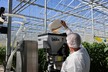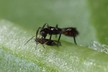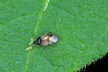


In modern greenhouses, chromatic traps have become an essential tool in any professional pest‑control strategy, both for monitoring and for the physical control of flying insects. These agricultural adhesive traps allow early detection of pests such as whiteflies, thrips, or aphids, facilitating precise intervention before damage affects crop yield and quality. Thanks to their ability to anticipate population peaks, chromatic traps directly help reduce the use of phytosanitary products, optimize agronomic decision‑making, and improve the sustainability of the production system. For this reason, their use is widespread in professional agriculture—especially in vegetable crops, berries, ornamental plants, and nurseries—where prevention and rigorous pest control make the difference between an efficient crop and a vulnerable one.
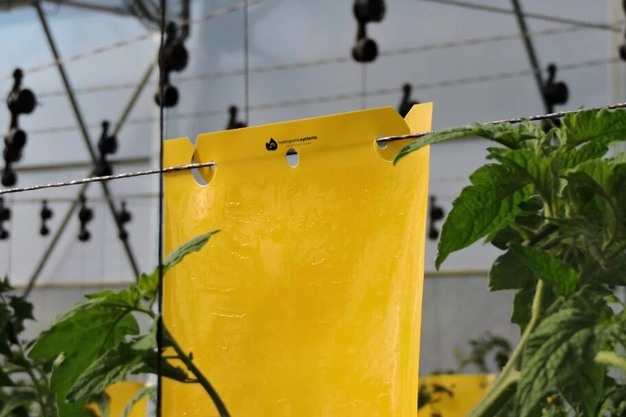
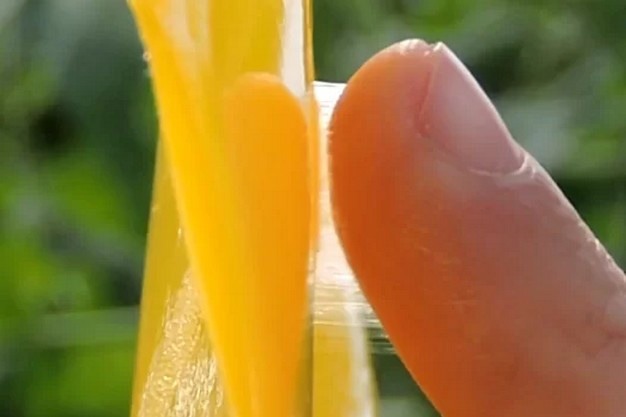
Adhesive chromatic traps work by combining two fundamental principles of physical pest control: visual attraction and mechanical capture. Certain insects show an innate response to specific wavelengths, which makes colors such as yellow, blue, or black highly attractive to different species. As the insect approaches the trap, it becomes stuck to a sticky surface designed to immobilize it instantly, turning these adhesive traps into an effective, continuous, and passive tool inside the greenhouse.
From a technical point of view, it is important to distinguish between using traps as a pest‑monitoring system and as a method to reduce populations. For monitoring, traps are installed at low densities to detect early insect appearance, assess pest pressure, and anticipate management decisions. When trap density is increased, they play an active role in reducing flying‑insect populations, helping to contain initial hotspots and reduce the need for more aggressive interventions.
Chromatic adhesive traps offer several clear advantages over pest control strategies based exclusively on chemical treatments. They work preventively and continuously, providing constant pressure on pest populations without creating resistance. Because insects cannot develop immunity to a visual attractant, these traps remain effective over time and fit well into long-term crop protection programs.
Another key benefit is early detection and objective monitoring. Chromatic traps allow growers to see pest presence at very low population levels, often before visible crop damage appears. This makes insect pressure measurable and comparable over time, turning pest management into a data-driven process rather than a reactive one.
 © JH Hydroponic Systems S.L.
By improving monitoring accuracy, chromatic traps reduce dependence on phytosanitary treatments. Fewer and better-timed applications mean lower chemical input, reduced residues, and less impact on beneficial insects such as pollinators and natural enemies. This supports more sustainable and profitable integrated pest management systems while improving agronomic decision-making based on real conditions in the crop.
Chromatic adhesive traps are also a practical tool for identifying and controlling the main flying insects that affect greenhouse crops. Their effectiveness is closely linked to color, as different pests respond to specific visual cues. This makes it possible to design a more precise and professional monitoring strategy.
Whiteflies are among the most damaging pests in protected horticulture due to both sap feeding and virus transmission. Yellow chromatic traps are especially effective at attracting whiteflies, allowing early detection and helping reduce population pressure before infestations become severe.
Thrips cause direct damage to flowers and fruits, leading to deformities, silvering, and loss of market value. Blue traps are particularly useful for thrip monitoring because of their high specificity and ability to detect populations early, which is critical in sensitive crops.
Fungus gnats, especially sciarids, are a frequent problem in hydroponic systems and potted crops, where larvae damage roots. Yellow chromatic traps are the most recommended option for detecting adult fungus gnats and assessing infestation levels in greenhouses.
Aphids are known for their rapid reproduction and their role as virus vectors. Yellow traps help identify aphid presence early, allowing growers to anticipate outbreaks before colonies establish and spread across the crop.
Leafminers cause both aesthetic and productive losses by damaging leaf tissue and reducing photosynthesis. Yellow chromatic traps support leafminer control by detecting adult activity early, which helps guide timely management decisions.
 © JH Hydroponic Systems S.L.
Houseflies and other flies are commonly monitored using chromatic traps placed near entrances, ventilation points, and greenhouse perimeters. Yellow and black traps tend to perform well for these species and are useful for general environmental control.
In tomato production, early monitoring of Tuta absoluta is essential. While pheromone traps remain the primary tool, yellow chromatic traps are often used as a complementary system to detect early adult presence in greenhouses.
Psyllids pose a significant risk in solanaceous crops because of their ability to transmit pathogens. Yellow chromatic traps are the main choice for psyllid detection and ongoing monitoring.
Secondary dipterans and unidentified flying insects can signal sanitary imbalances or management issues within the greenhouse. Yellow chromatic traps act as early warning tools, revealing changes in insect activity that may require further investigation.
Beyond targeting specific pests, chromatic adhesive traps function as a visual diagnostic system. They help detect the entry of new or unidentified vector insects early, providing valuable time to respond before significant crop damage occurs.
For more information:
Hydroponic Systems
https://hydroponicsystems.eu/