

The Hawaii Office of Medical Cannabis Control and Regulation has shared the latest Hawaii cannabis market report, showing a market that is defined yet incomplete, with most legal spending captured but with room for expansion and opportunities.
Hawaii's medical cannabis sales are about $5.3 million per month in regulated dispensaries, the report shows. This number comes from seed-to-sale data and survey estimates that match closely, meaning the market data has internal consistency. The state's regulated medical system captures approximately 86 to 87% of all patient cannabis spending.
Patients make up roughly 25% of all cannabis consumers in Hawaii, a high number compared to some of the other states with cannabis programs. The legal medical market comes out as the primary purchasing channel for registered patients.
Across all sources, be them legal medical, gray market, illicit, hemp-derived or home grown, the report estimates the demand for cannabis in the region of $16.5 million and $32 million
Tourism demand potential appears significant. Domestic tourists are projected to spend about $124.65 per trip on cannabis products in an adult-use scenario, while international visitors spend less. That tourism figure adds an estimated $11.5 million per month to total cannabis demand if adult-use were legal.
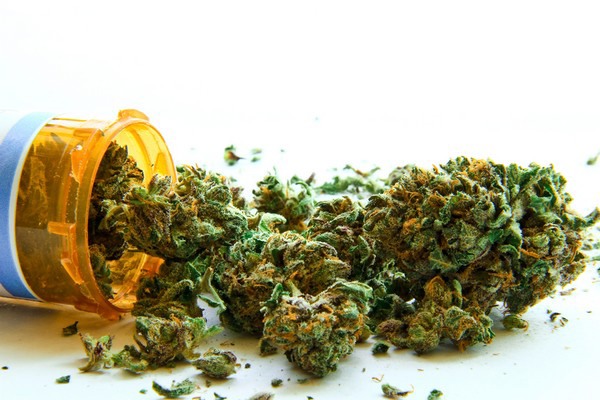 © Atomazul | Dreamstime
Under adult-use legalization, the projected total cannabis market could reach $59 million to $95 million per month by year 5, adjusted for consumer participation with about a 15 percent tax rate. This suggests an expansion several times larger than the current medical only sales.
More cultivation capacity needed
The report models infrastructure needs for cultivation and retail. Hawaii would need roughly 65 retail outlets statewide in year 1 of adult-use to meet demand from medical, adult and tourist consumers. Cultivation capacity must expand to about 117,500 plants annually, requiring numerous indoor and outdoor facilities.
Tax policy and licensing structure influence market participation. The analysis identifies a 15 percent total tax rate as potentially maximizing revenue while maintaining consumer engagement in the legal market. Lower tax rates favor market participation, and higher rates risk pushing consumers into illicit channels. Licensing affordability matters for small operators and legacy farmers.
Hawaii's current regulatory framework for medical cannabis has vertical integration, with limited dispensaries and cultivation per licensee. Demand currently outpaces registered patient supply capacity, and the illicit and gray markets fill gaps. The legal share does not capture the entire market, signaling both a challenge and an opportunity for future regulated expansion.
Medical cannabis sits within a wider context of hemp-derived products, home grow, and unregulated sales, each affecting total demand and legal market share. This complex market structure means operators must consider multiple consumer behaviors and regulatory incentives when planning entry or expansion.