

North Macedonia has launched inspections across all the local medical cannabis companies following seizures of more than 40 tons of cannabis, which authorities claim it may have been diverted from legal production into the illicit market. While the discovery of the 40 tons of cannabis was the last straw, it all started in January, when 5 tons of cannabis was seized in Serbia, with prosecutors claiming it originated in North Macedonia. The government stepped in rather quickly, and Health Minister Azir Aliu confirmed that inspections are currently underway at every license holder in the country, with 6 licenses already being revoked since the start of the process.
Ties to license holders
According to multiple sources familiar with the inspections, one of the initial cases involved Alphapharm Group, a Skopje based licensed producer whose chief executive was present during the Serbian seizure. Sources said inspections at facilities linked to the company uncovered between 30 and 40 tonnes of cannabis material held on site, significantly exceeding expected inventory levels.
Several sources described how some licensed producers have expanded by acquiring previously closed industrial facilities, often at low cost. "These were old sites that had been sitting unused for years," one source said. "They were cheap, but not designed for this type of operation."
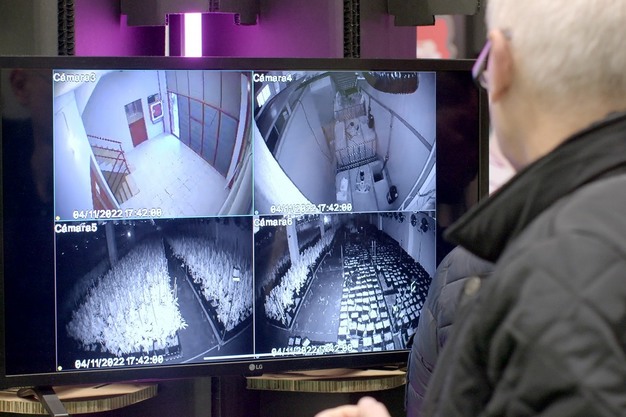
As inspections started, sources said multiple government bodies are involved in visiting facilities together, including health authorities, police units, internal affairs, and anti drug teams. "They are checking everything," one source said. "Inventory, documentation, track and trace, exports."
For compliant operators, such checks are part of normal operations, sources stressed. "Inventory audits are required every year," another source said. "Most of us completed them by the end of last year. If you are running a normal business, the numbers match."
However, several sources pointed to export delays as a structural issue contributing to inventory accumulation across the sector. According to industry insiders, approvals for exports of dried flower and cannabis oil were slowed or suspended for extended periods, while companies continued to be taxed on unsold product. "You are charged as if you sold it," one source said, "but you are not allowed to move it."
The intensified enforcement has also affected logistics. Sources said exports now require additional sampling, documentation, and police escorts. "There is a lot of confusion," one source said. "Everyone is trying to look diligent, and sometimes that leads to overcorrection."
 © Viktar Lameika | Dreamstime
The shift in due diligence
The impact is being felt beyond North Macedonia, particularly among European buyers. Several sources said clients in Germany have begun requesting written assurances and additional documentation from suppliers. "We had to formally state that we are not involved with any company under investigation," one source said. Others reported being asked to clarify whether they source cannabis from third parties or rely solely on in house cultivation and processing.
Sources described the shift as part of a broader change in due diligence expectations across the European medical cannabis market. "Clients want to visit facilities now," one source said. "They want to see how things actually work, not just rely on licenses and paperwork." Authorities have said inspections are ongoing and that further information will be released. In the following days, the names of the companies that had their license revoked will be made public.