


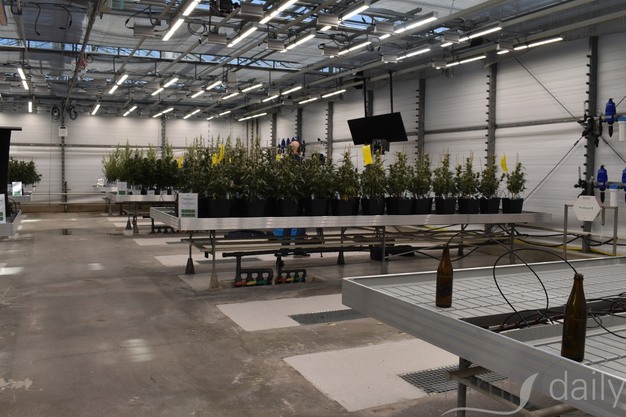
On March 5th, Innexo BV opened its research facilities in the Netherlands to over 20 licensed producers from 10 countries for the first Acceleration Day of 2026. The agenda covered two topics: Integrated Pest and Disease Management (IPDM) and No-Veg cultivation strategies.
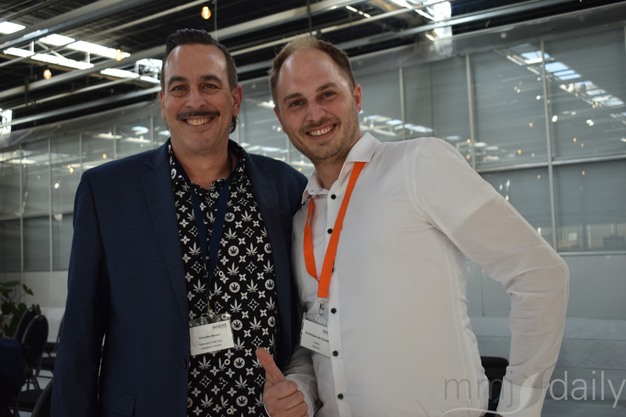
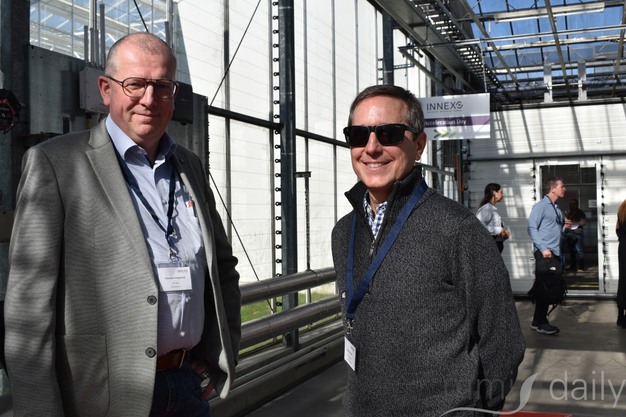
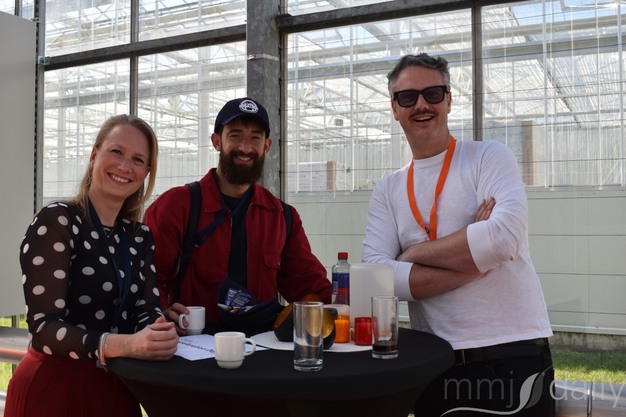
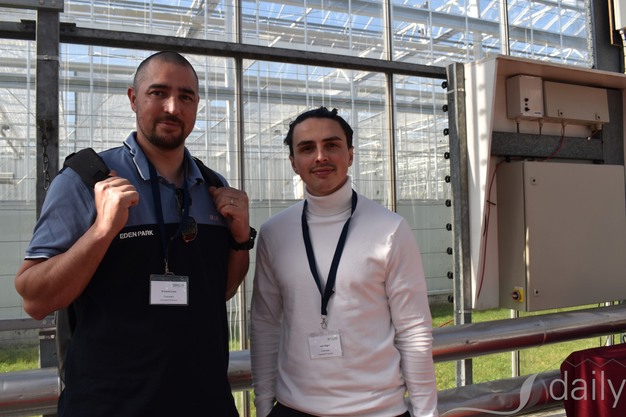
What Dominique van Gruisen, Innexo's CEO, didn't expect was how fast the room started talking. Growers from Germany, the Netherlands, and further afield were already comparing notes before the formal program kicked off. "No secret stuff. 'Hey, I'm doing this, this works for me,'" Dominique said. "It was really special to see that interaction."
 © Priscilla Heeffer | MMJDaily.com
 © Priscilla Heeffer | MMJDaily.com
It makes sense when you consider who was in the room. Most of these producers operate in different markets and aren't directly competing. "They realized that if they do a good job there's enough room for good players," Dominique said. "It's the bad actors we need to worry about."
 © Priscilla Heeffer | MMJDaily.com
 © Priscilla Heeffer | MMJDaily.com
No-veg: curiosity and operational reality
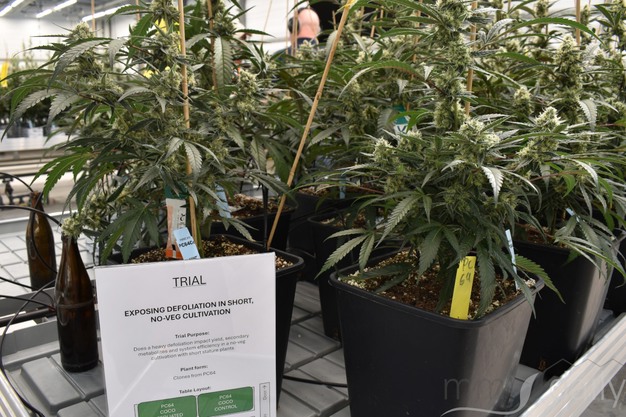
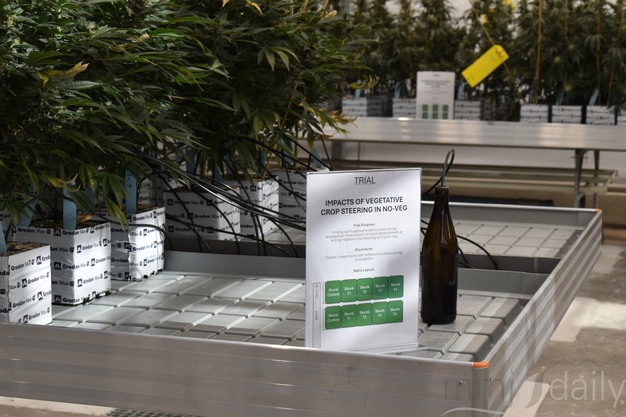
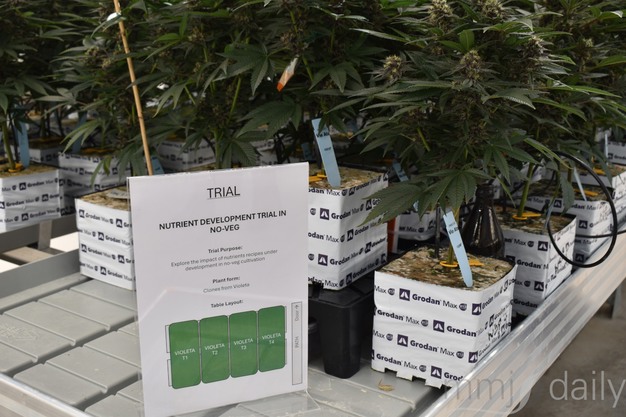
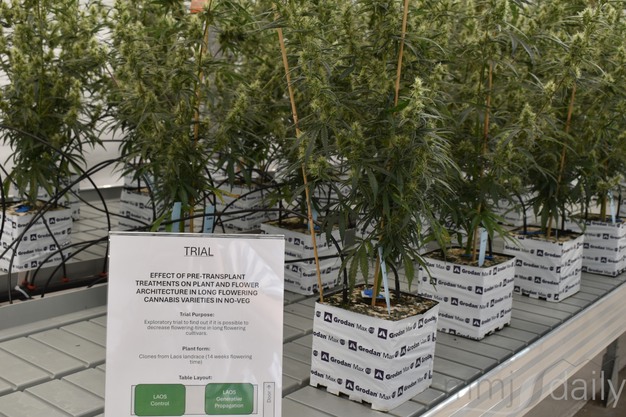
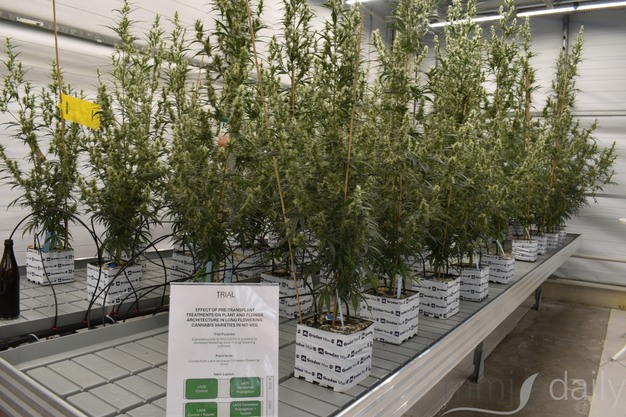
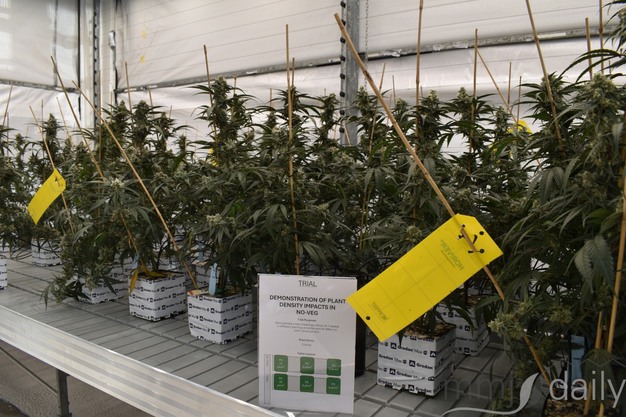
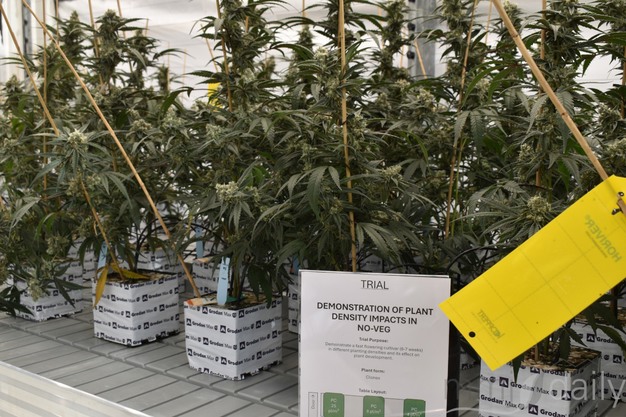
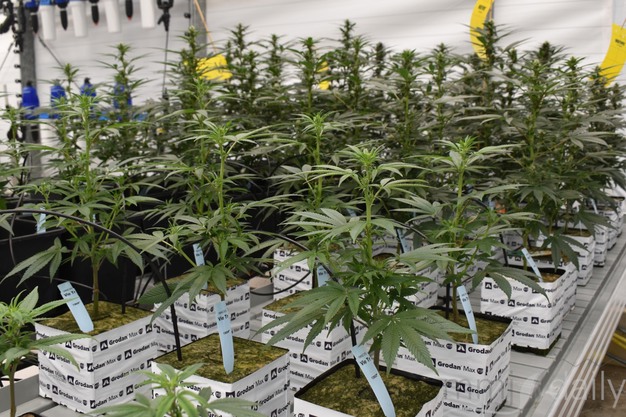
The No-Veg definitely generated the most buzz on the floor. In a No-Veg system, cuttings bypass the vegetative phase entirely and move directly into a 12/12 flowering photoperiod, a strategy that can shorten cycle times and reduce energy consumption, particularly relevant in Northern European climates where lighting and climate control dominate operating costs.
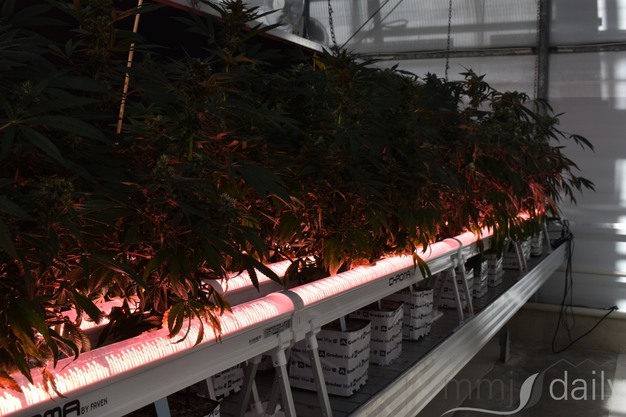
Dominique was candid about the state of No-Veg adoption: some producers had already implemented it after earlier conversations with Innexo and said they would not go back; others arrived skeptical. The trial room made the case better than any slide deck could. "We had different trials going on, different genetics and conditions, which showed a lot of different scenarios at the same time" he said. "The feedback I got was that it was one of the highlights of the event."
 © Priscilla Heeffer | MMJDaily.com
 © Priscilla Heeffer | MMJDaily.com
 © Priscilla Heeffer | MMJDaily.com
 © Priscilla Heeffer | MMJDaily.com
 © Priscilla Heeffer | MMJDaily.com
 © Priscilla Heeffer | MMJDaily.com
 © Priscilla Heeffer | MMJDaily.com
Xavier G., founder of Avitas Global, who helped bring several international participants to the event, echoed the point, and appreciated that Innexo didn't oversell it. "They showed the good, the bad, and the ugly," he said. "It makes sense to show the bad plants. It's a research center. Growers need to see with their own eyes what can go well and what can go wrong. People were happy they weren't being sold something perfect."
IPDM: pest management as facility architecture
The second major theme of the day was a case for rethinking pest and disease management altogether as a design principle baked into facility infrastructure from day one.
 © Priscilla Heeffer | MMJDaily.com
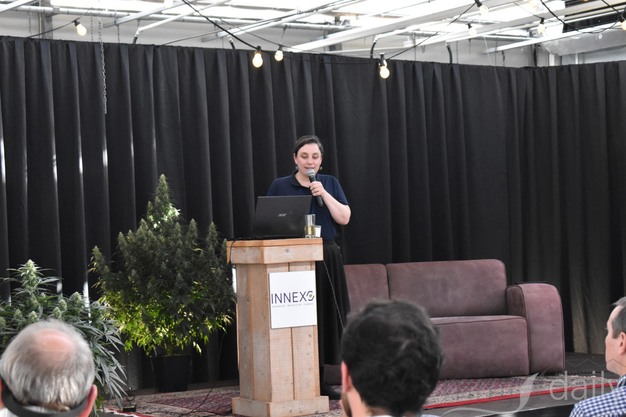
Matthew Gates, a cannabis entomologist based in San Diego, delivered a presentation he titled Cannabis Pest Strategy: Everswarm Evolution, developed in collaboration with Avitas Global. Matthew drew on primarily U.S.-based cannabis pest research to map current and emerging threats, focusing on aphids, budworms, and powdery mildews, organisms he described as remarkably adaptive at the genetic and molecular level.
"A series of selection pressures in one region will ripple out with alacrity to affect others," Matthew noted after the event, flagging the global nature of pest resistance as a shared industry problem. "We all must be cognizant of this and move responsibly." His presentation also addressed the risk of resistance developing to both biocontrols and chemical interventions, and outlined how communal data-sharing and proactive protocol design can get ahead of those pressures before they develop.
 © Priscilla Heeffer | MMJDaily.com
Sabrina from Fluence outlined two underappreciated drivers of botrytis, osmotic pressure in the root zone and faulty HVAC programming logic, both of which create VPD swings that generate microclimates inside flowers where the pathogen thrives. The practical implication was that sensor data can identify botrytis risk before the disease is visible, allowing producers to intervene earlier and more precisely. "She could have talked about Fluence's products the whole time," said Xavier, "but she just talked about LED and IPM. It sums up the atmosphere of the event."
 © Priscilla Heeffer | MMJDaily.com
 © Priscilla Heeffer | MMJDaily.com
 © Priscilla Heeffer | MMJDaily.com
 © Priscilla Heeffer | MMJDaily.com
A platform built for collective progress
The Acceleration Day also served as the formal launch of the next API cycle. The platform operates across three participation tiers. Innovators, who conduct five exclusive trials per year with full data access; Accelerators, who demonstrate technologies in operational greenhouse conditions; and Platformers, who access collective insights without running large-scale trials. Entry-level participation starts at €10,000, a deliberate move to lower the barrier to the kind of collaboration that can move the industry faster than any single actor could alone.
 © Priscilla Heeffer | MMJDaily.com
 © Priscilla Heeffer | MMJDaily.com
 © Priscilla Heeffer | MMJDaily.com
Between 60 and 100 trials and demonstrations are planned over the next two years. Current partners include Fluence, FOHSE, Atami, Faven, and ProGuard, among others. Atami is developing nutrient lines specifically for No-Veg conditions; Faven is researching under-canopy lighting in No-Veg environments; Fluence is exploring spectral tuning across flowering phases. The trials run in parallel, in a working greenhouse, visible to everyone who visits the facility or attends an Acceleration Day. "It's not that we innovate in a secret bunker," Dominique said. "This is for the betterment of the industry, for the betterment of the LPs, and ultimately for the benefit of the patients."
For Matthew, the event landed somewhere he hadn't quite expected. "The Innexo Acceleration Day connected me with a passionate and eclectic group of European professionals pushing the boundaries of cannabiculture research," he wrote afterward. "Real value comes from understanding critical aspects of cultivation and applying these discoveries to future planning, creating a superior process and competitive edge."
 © Priscilla Heeffer | MMJDaily.com
 © Priscilla Heeffer | MMJDaily.com
The next one is already on the calendar, June, the day before GreenTech Amsterdam, when international traffic to the Netherlands peaks. The focus will be genetics, with Jorge Cervantes confirmed as a speaker. If March is any indication, the conversations in the hallways may end up being just as important as what happens on stage.
For more information:
Innexo BV
[email protected]
LinkedIn
innexo.nl