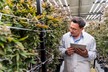


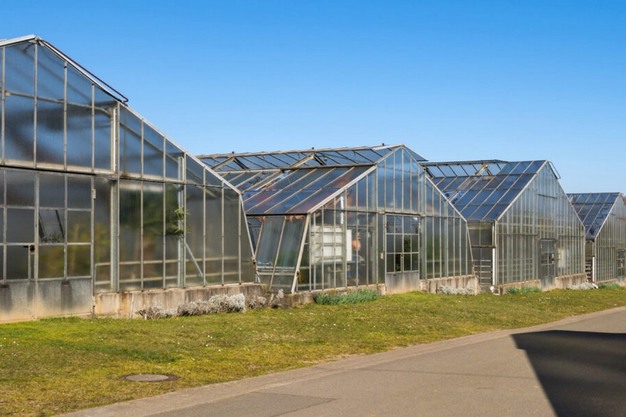
Many greenhouse operations rely on structures built decades ago. While these facilities have supported production for years, rising energy costs, evolving crop requirements, and advances in climate control are prompting growers to reassess whether to retrofit existing structures or invest in new builds. The decision depends on balancing performance, cost, and long-term operational goals.
 © Ceres Greenhouse Solutions
Start with the structure: is your greenhouse still functional?
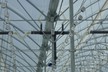
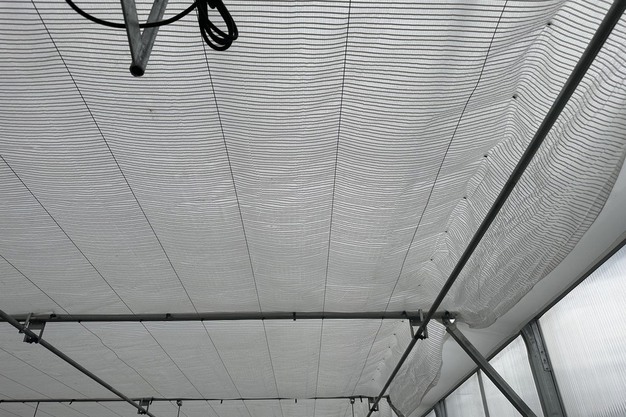
The first step is assessing structural integrity. A sound frame and foundation can often support modern upgrades, making retrofit a viable option. Growers should check for corrosion, aging materials, and structural damage, as well as whether the building can handle newer systems such as energy curtains or lighting. Layout factors, including roof height and truss spacing, also influence airflow and system integration. If the structure remains strong and adaptable, retrofitting can significantly improve performance without full replacement.
 © Ceres Greenhouse Solutions
Common problems that greenhouse retrofits can solve
Older greenhouses often struggle with inconsistent climate control, leading to uneven temperatures, humidity issues, and reduced crop performance. Aging heating, ventilation, and insulation systems can also increase energy costs. Retrofitting can address these issues through improved ventilation, upgraded heating, modern environmental controls, and better glazing. These changes can enhance crop consistency while lowering operational expenses.
Case study: a real greenhouse retrofit project
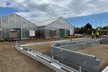
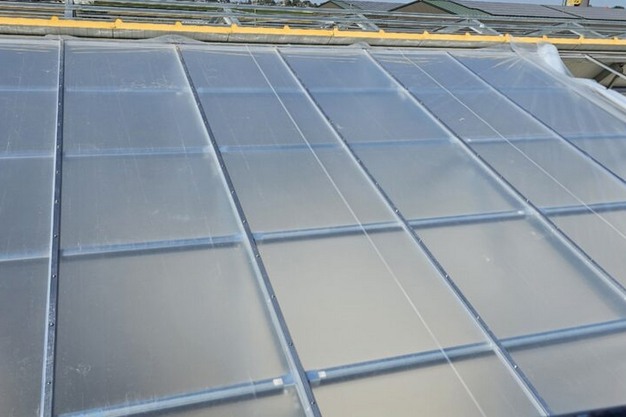
A 30-year-old greenhouse in Germany faced issues with deteriorating glass glazing and high wind exposure. Instead of rebuilding, a retrofit solution replaced the glazing with ETFE film using a custom track system. This improved light transmission, durability, and plant performance while extending the structure's lifespan. The phased installation allowed production to continue with minimal disruption, demonstrating how targeted upgrades can deliver significant benefits without full reconstruction.
 © Ceres Greenhouse Solutions
Signs it may be time to rebuild
Rebuilding becomes more appropriate when structural deterioration is severe or when design limitations prevent effective upgrades. Older greenhouses may have low roof heights, poor airflow, or limited capacity for modern systems, restricting climate control. Changes in crop type can also drive the need for new construction, especially when moving to crops with different environmental demands. In such cases, rebuilding may offer better long-term efficiency and flexibility.
Cost considerations
Retrofitting typically involves lower upfront costs and shorter timelines, often allowing phased upgrades with minimal disruption. However, it may be constrained by existing design limitations. Rebuilding requires higher initial investment and longer construction time but offers full design flexibility, improved energy efficiency, and better scalability. Evaluating return on investment requires considering both immediate costs and long-term operational gains.
When a hybrid approach works best
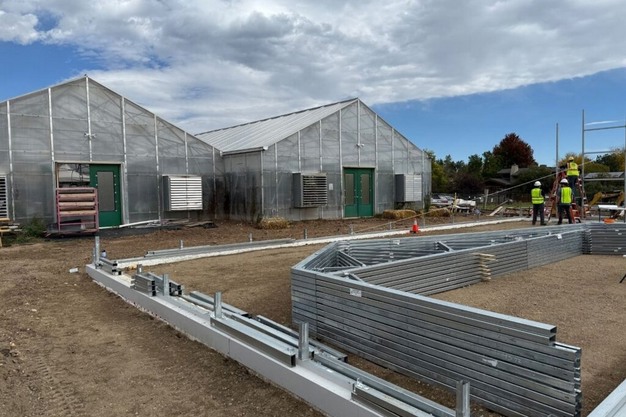
Many operations benefit from combining retrofit and rebuild strategies. Upgrading existing structures while adding new, purpose-built greenhouse space allows growers to modernize gradually. This approach can optimize capital spending, maintain production continuity, and support expansion without fully replacing existing infrastructure.
 © Ceres Greenhouse Solutions
Questions growers should ask before deciding
Key considerations include the condition of the current structure, its ability to support modern systems, the impact of energy costs, and whether environmental conditions limit crop performance. Growers should also evaluate changes in crop requirements, future expansion plans, and expected return on investment. These factors help determine whether upgrades are sufficient or a new build is justified.
Every greenhouse is different
There is no single solution for all operations. Each decision should be based on a careful assessment of structural condition, production needs, and long-term goals. A strategic approach helps ensure that investments—whether in retrofitting, rebuilding, or both—deliver sustainable improvements in efficiency and performance.
For more information:
Ceres Greenhouse Solutions
[email protected]
www.ceresgs.com