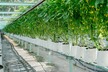


UK company NextGen Nano has announced plans for a pilot agrivoltaics initiative in West Africa using its PolyPower™ transparent organic solar film technology. The pilot project is designed to demonstrate the integration of food production and renewable energy generation within greenhouse and tunnel structures. The system combines climate-controlled cultivation with on-site electricity generation in off-grid and energy-constrained environments.
Dr Sagar Jain, Head of Strategic Partnerships at NextGen Nano, said: "This initiative demonstrates how cutting-edge European and US technologies can directly contribute to raising living standards in underserved regions. By combining advanced transparent organic solar materials with climate-controlled agriculture and energy systems, we believe agrivoltaic platforms like this can unlock entirely new deployment models for sustainable development worldwide."
A central focus of the initiative is to assess whether agrivoltaic greenhouse systems can support consistent production of crops such as amaranth, African nightshade, cowpea leaves, spider plant, moringa and kale, while also providing energy for cooling, refrigeration and other local needs in areas where electricity supply is limited, costly, unreliable or dependent on diesel generators.
The project will evaluate the role of these systems in supporting dietary diversity and addressing nutrition-related health issues. The selected crops are associated with vitamin A and iron intake. According to the World Health Organization, vitamin A deficiency is the leading preventable cause of childhood blindness and contributes to mortality from infections, while iron deficiency is the most common cause of anaemia and can affect physical and cognitive development in children.
The initiative will also assess applications in medical cold-chain infrastructure, including storage of vaccines, medicines and temperature-sensitive supplies in clinics and community facilities.
In addition to agricultural and health-related aspects, the project includes evaluation of local employment and skills development, as well as access to distributed energy systems in underserved regions.
If the pilot is implemented at scale, it may support a model combining greenhouse-based production, distributed renewable energy and cooling infrastructure. NextGen Nano has indicated a target of deploying up to £300 million in related projects over the next five years, in collaboration with governments, development banks, agricultural organisations and private investors.
Market conditions supporting the initiative include projected growth in the African agribusiness sector. The World Bank estimates that Africa's food and agribusiness market could reach $1 trillion by 2030. At the same time, nearly 600 million people in Sub-Saharan Africa currently lack access to electricity.
For more information:
NextGen Nano 
Email: [email protected]
https://nextgen-nano.co.uk/