


Germany imported 200 tonnes of medical cannabis in 2025. A portion of that volume arrived from a Portuguese processor whose license had been revoked, offloaded below cost as it got reinstated. The episode drew attention, and conclusions followed. Joao Duarte from PTMC thinks most of those conclusions are wrong. "Eight tons is not even 5% of what Germany consumes in a year," he says. "For that to trigger price dumping, the math simply doesn't work."
Structural price pressure
According to him, the price pressure in Portugal is mainly structural. "The more countries enter production and start exporting, the lower the prices will go. Currently, Colombia is exporting, Costa Rica is exporting, and Brazil, with the scale it can bring to outdoor cultivation, is not far behind. Canada has been the dominant volume supplier to markets including Germany, Australia, Israel, and the UK on the strength of low-cost flower that European producers have difficulty matching on price alone. And if the US legalizes cannabis federally, and California starts exporting, the picture changes again, and fast." He draws a direct line to what happened in the CBD market years prior, when prices compressed as supply expanded and operators without a cost or quality advantage found themselves without a market. Medical THC flower, he says, is following the same logic on a longer timeline.
To lift the burden of this price pressure, the answer obviously lies in proper regulation and policies. These should be based on principles that deliver high quality medicines to patients. To achieve that, flowers should reach consumers shortly after they are picked. As simple as it may sound, proximity is the real advantage of Portugal. "The fresher the flower is when it reaches the patient, the better the quality," he says. "Proximity alone delivers that."
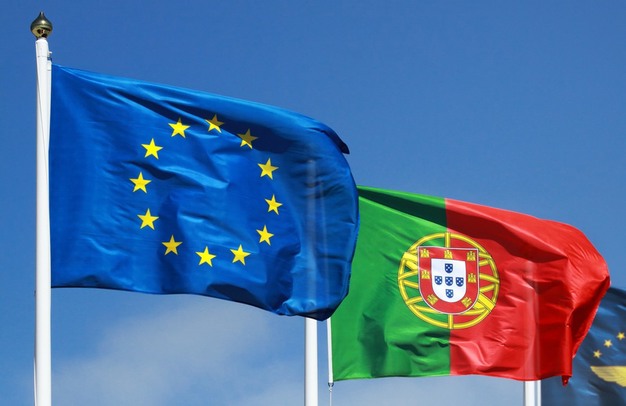 © Henner Damke | Dreamstime
A turning point
On the regulatory question, Joao points to Portugal's eight years of operational history in medical cannabis as a differentiator that tends to get underweighted, following police raids from last year. Institutions that have been running a licensing and enforcement framework for that long have developed both the standards and the experience to apply them. "Our GMP standards are real," he says. "They are not a number on a certificate."
The reputational damage from those raids, he argues, is being overstated. "There's always some scandal in the industry," he remarks. "That doesn't necessarily mean that it's over, that an entire country's economic sector is pushed out. Canada, the dominant cannabis exporter, is the clearest example of that. Everybody remembers the CannTrust scandal in 2019, it made international headlines. That didn't kill the Canadian industry, to the point that they are the biggest player now. Regulators did their job, the market moved on. That's simply what a credible system looks like."
EU-GMP washing
One area where he is openly critical is EU GMP washing, the practice of converting imported flower through a European facility to obtain a certification the original material would not otherwise carry. "We would have more value by growing flower than by doing the conversion," he says. For Portuguese producers, the practice dilutes the premium that EU GMP certification is supposed to represent and makes it harder to distinguish domestically grown product from processed imports at the point of sale.
To each their own
Joao doesn't believe other European countries can take over Portugal's place in the old continent's cannabis industry. "It's simply because it's not a thing that one country gets active in a sector and then another is pushed out. It's an open market, everybody participates to varying degrees." Being their neighbor, Joao mentions Spain as an example. The country currently has fewer than ten licensed producers and has not yet built the export infrastructure or regulatory track record that established markets require. "I don't see Spain coming and taking over," he says. "Both Spain and Portugal will take market share. The operators with established contracts will keep moving product. After that, it comes down to quality and price."
Denmark, he notes, is a more immediate competitive variable, producing significant quantities and moving into European markets with momentum. Portugal currently sits in the top three to five exporters to Germany and holds established positions in Australia, Israel, and the UK. "This reflects accumulated capability rather than regulatory timing, and it is not something that disappears because one processor lost its license," he says.
A common European policy on pricing, along the lines of the state-controlled model in France, is one mechanism he thinks the industry should be pushing for collectively. Without it, individual producers are left absorbing cost pressure from suppliers operating at a scale and geographic remove that European policy has no current framework to address. "We should be aiming to have good flowers," he says. "We should not be aiming to take Portugal down."
For more information:
PTMC
ptmc.pt