

It has to be an issue concerning growers all over the world — every day you work to grow clean produce, clean plants, clean flowers, to set up a sustainable business, to take care of your employees, but the majority of your work is reduced to a price debate in the supermarket. But once something negative happens, everybody is eager to listen. It seems the interest in greenhouses is only there when there's drama or juice. Dutch growers united almost 50 years ago, inviting the public to the greenhouse to share the story from behind the glass. Ever since, every year the industry opens its doors for the Kom in de Kas event.
 © Arlette Sijmonsma | MMJDaily.com
Click here for the photo report.
Viruses and safety
A 1977 greenhouse can hardly be compared to a current-day company, and especially in the last decade the industry has had to deal with new and challenging viruses, pests, and plagues, especially given the increasingly limited chemical toolbox. Regardless, even tomato and pepper growers opened their doors, finding creative ways to show what's happening behind the glass. Supported by sponsors from the industry, who also took the chance to participate and explain about sustainable solutions, the event is a standard ever since.
Thousands of visitors
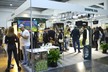
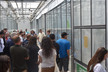
In total, spread out over 15 regions, almost 100 growers opened their doors. The organisation counted 120,000 visitors, although that might include consumers visiting multiple greenhouses. And why shouldn't they? Welcomed by beautiful plants, enthusiastic growers, and side events such as speurtochten (scavenger hunts) for kids, free ice cream, snacks, coffee, and lots to learn, it's truly a unique get-together. And did we mention it was free of charge for visitors? It is organised for the Dutch consumer, after all.
Being surprised
While most visitors showed interest in integrated crop management (or, as they call it, "those bugs"), automation, the length of the plants, the LED lights, and the substrates, the fun part about Kom in de Kas is that you will be surprised, regardless of your experience in horticulture. About the beer bottles used to measure irrigation in an organic greenhouse, for example, or about the AI used to grade pepper plants. Or about the number of kilos of bamboo a panda eats each day — because even the pandas in Europe are fed by greenhouse growers, although their food originates from open fields. And by the way, it's 40 kilos.