

In assessing whether a given practice is agricultural in the secondary sense or nonagricultural, Federal courts look particularly at whether the practice "substantially changes the physical properties and chemical content" of the agricultural product.
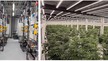
A three-member panel of the NLRB denied an employer's request for review of a regional director's direction of election regarding the appropriate make up of a bargaining unit. The employer, a medical marijuana grower, argued that its post-harvest employees were agricultural laborers, not statutory employees under the NLRA, and should not be included in the bargaining unit. However, the regional director found that the post-harvest employees were not agricultural employees and were therefore included in the bargaining unit. Member Mayer filed a separate concurring opinion (BeLeaf Medical, LLC, 374 N.L.R.B. No. 100 (Apr. 23, 2026)).
Representation petition. The employer operates a vertically integrated cannabis company that operates three cultivation facilities as well as five dispensaries. On September 15, 2023, the union filed a representation petition seeking to represent packaging, lab/kitchen, and fulfillment employees working at one of the employer's facilities. The employer contended that the packaging employees were actually harvest technicians and post-harvest technicians, all of whom are agricultural workers exempt from the Act. The union countered that they are not agricultural employees and are not exempt from the NLRA. The post-harvest employees account for 13 of the 18 petitioned-for employees.
Duties of post-harvest employees. The post-harvest employees take down dried marijuana plants from where they were hung and then begin the de-stemming process. This process occurs in a trim room on the facility's first floor in a separate room from where cultivation takes place. The process takes up anywhere from 25 percent to 30 percent of post-harvest employees' time.
Read more at VitalLaw